Interview with Gentle Sowle
By Samantha Bache
From Lords of Dogtown to building a second home for Houston's next generation of skaters
Gentle Sowle has pink hair that's stayed the same shade since she was eleven, half a million followers who tune in for her skate content, and a story that starts with an eight-year-old kid watching Lords of Dogtown and deciding her whole life had to change. These days she co-owns HTX Skateboarding Academy and teaches the City of Houston's free skate classes, but underneath all of it is the same thing that hooked her at eight: the belief that a skatepark can be somebody's second home. We caught up with her to talk hair, homeschooling, her dad's DIY girls' divisions, and what she wants every nervous beginner to know before they roll up to the park.
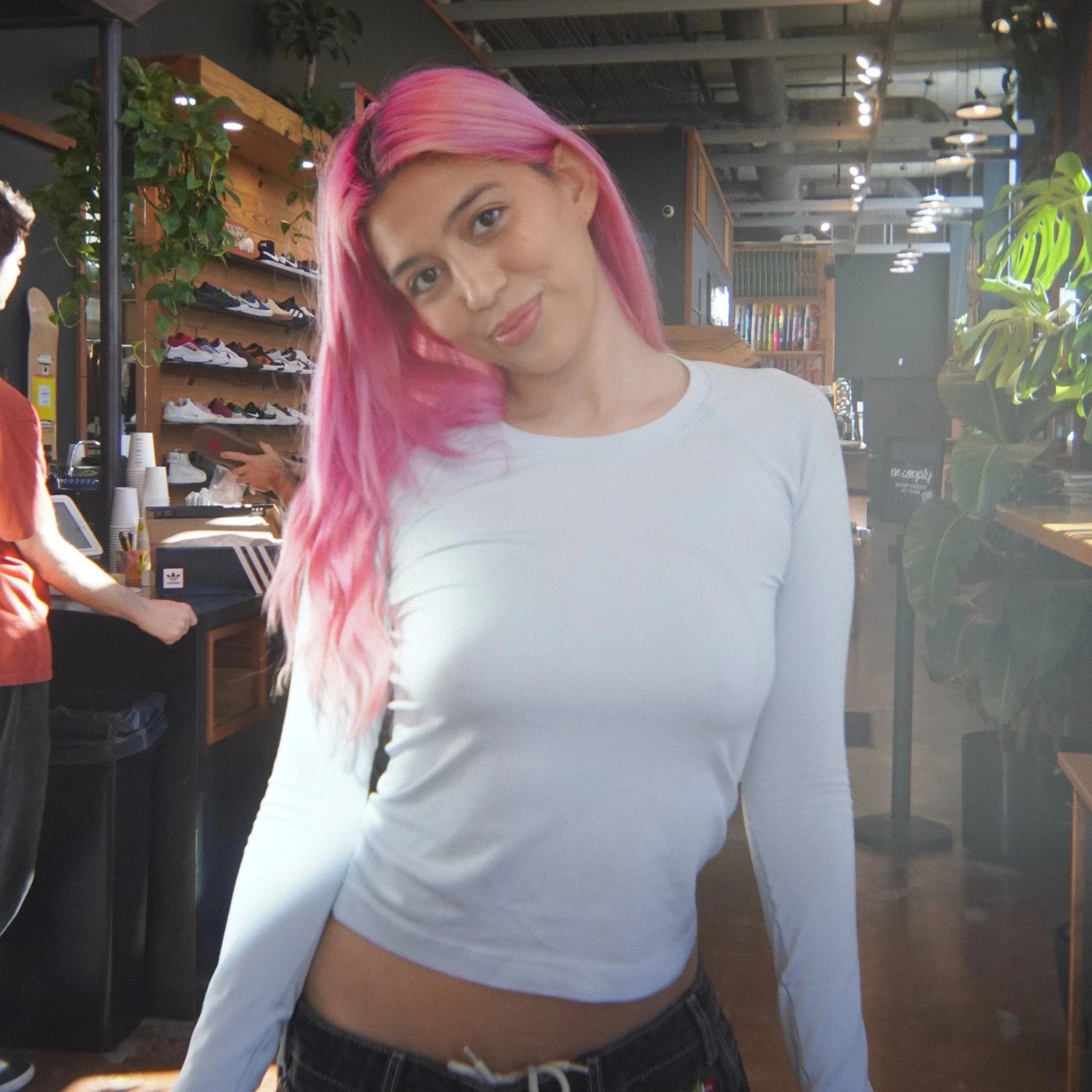
Can you tell us a little about yourself and how skateboarding first became part of your life?
My name is Gentle Sowle, I'm a skater from Houston, Texas. I co-own HTX Skateboarding Academy and teach the City of Houston's free skateboarding classes. I'm also a content creator, with over 500,000 followers across my platforms where I share skate content.
Skating came into my life when I was eight years old. I watched the movie Lords of Dogtown, and I remember thinking skating looked so freeing. It looked fun, rebellious, creative, like there were no rules about who you had to be. I didn't know it at the time, but watching that movie completely changed the direction of my life. I just knew I wanted to get on a board and try it. I'm so grateful to my parents for encouraging me to follow it and never treating it like just a phase I would eventually grow out of.
What has kept you connected to skateboarding over the years, even through life's ups and downs?
Honestly, skateboarding has never really felt like a separate part of me. It was just always there, almost like the board was a part of my foot, haha. I was homeschooled growing up, and my dad took my sisters and me to the skatepark almost every day unless it rained. The skatepark became my second home. We even road-tripped across the country in a van, and I've gotten to skate in every state in the U.S.
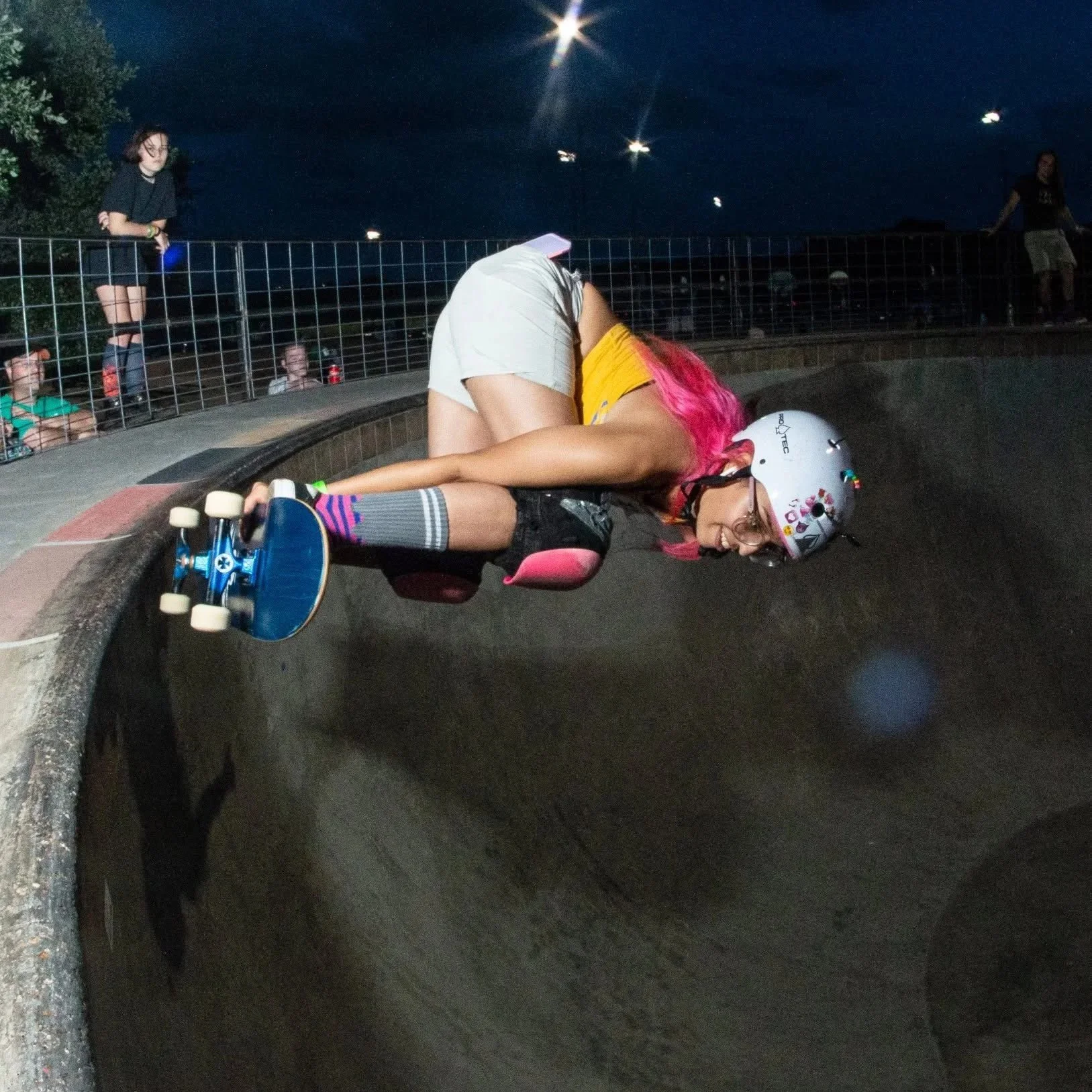
Growing up homeschooled, I didn't have the same social life as a lot of my peers, but skateboarding gave me that. It gave me a place where I belonged, no matter what skatepark I walked into.
No matter what was happening in life, I could always get on my board and feel like myself again. That feeling has never really gone away.
Your colourful hair has become such a recognisable part of your style. Has self-expression always been important to you, and how does it connect to your skateboarding?
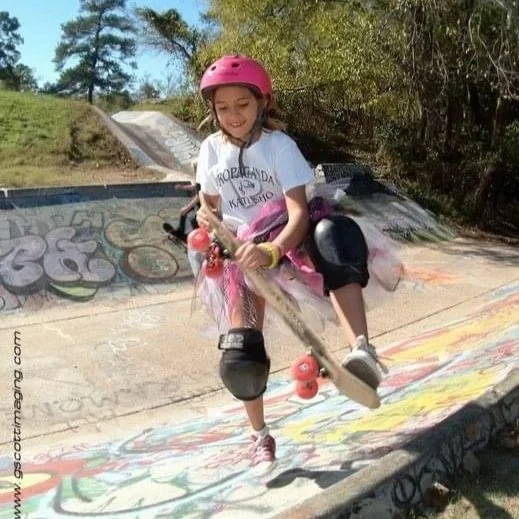
Yes, definitely! Even before I had my pink hair, I was expressing myself through colorful tutus when I skated. Skateboarding gave me the freedom to be both gentle and tough at the same time. I've had the same shade of pink hair since I was 11, so I guess you could say it's become a pretty permanent part of me, haha. I've always loved being able to express the softer, more playful parts of myself while still getting to be strong and tough. Skateboarding has always given me the freedom to be all of those things at once.
As Co-Owner of HTX Skateboarding, what inspired you to focus on building a community rather than just creating a skate school?
The way I grew up shaped everything about HTX. The skatepark honestly felt like my second home, and I wanted to create that feeling for other people.
The City of Houston gave me opportunities through skate classes when I was younger, and that inspired me to keep that going and make the skatepark feel like a second home for someone else.
I remember being 8 and walking into a skatepark and feeling completely intimidated. There were all these boys, huge ramps, and people who already knew what they were doing. I don't want anyone to walk into a skatepark and feel like they don't belong. I want them to walk in and think, "Oh, this could be my place."
You teach the next generation of skateboarders through classes with the City of Houston. What's the most rewarding part of watching someone learn to skate?
I think it's the confidence. I love watching someone go from being really timid and scared of the ramps to realizing that they can actually do things they never thought they could.
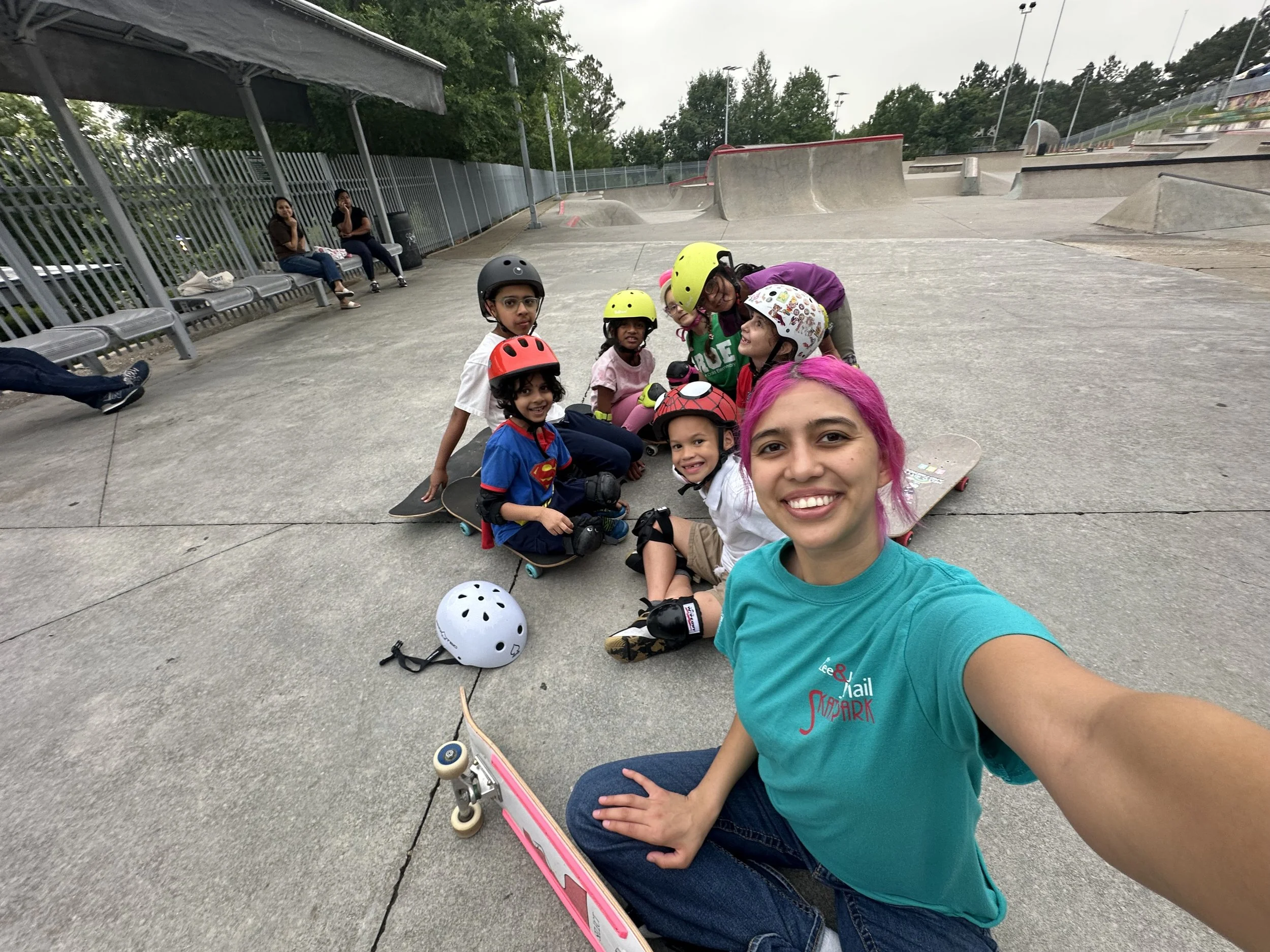
I remember being little and going to the skatepark for the first time. I looked at the bank wall and told my dad, "I will never do that." And by the end of that year, I was dropping in on it.
So now, when I see someone standing at the top of a ramp with that same look in their eyes, I know exactly what they're feeling. And when they finally do it, you can literally see their confidence change. Their whole face lights up.
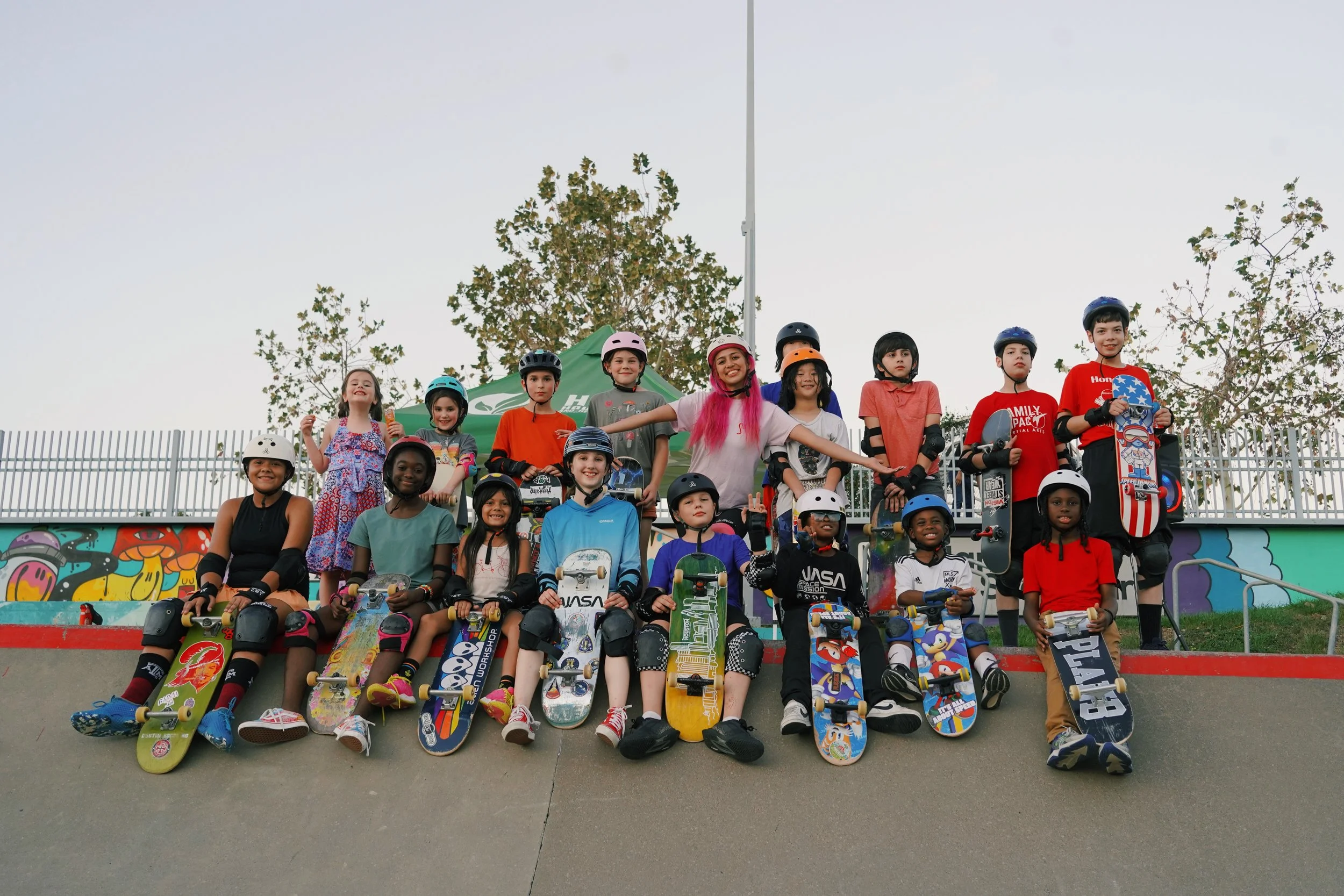
I think that's the most rewarding part for me. I get to see a little bit of my younger self in the people I teach, and I get to help them realize they're capable of more than they thought.
How have you seen the skate scene in Houston change since you first started skating, especially for women and girls?
Houston has changed so much since I first started skating. When I was younger, it could definitely feel intimidating walking into a skatepark, especially when you didn't see many other girls there. Now, I see so many more girls and women skating, teaching, creating, and taking up space in the scene. There are so many more opportunities for girls to get involved, and I love seeing younger girls grow up with more people they can look up to.
The exhibition explores the relationship between skateboarding and architecture. How do you think well-designed skateparks can shape a community?
A skatepark can become so much more than a place to skate. It can become your safe space, your meeting place, your second home.
I've spent so much of my life in skateparks that I don't think of them as just concrete and ramps. They hold memories. They become part of your childhood, your friendships, and your identity.
That's why I was so grateful to be part of the Architect Center project, and I want to thank Rodrigo, Shane, Bobby, and everyone involved.
When you build a skatepark that understands the culture, you're really building a place for people.
Representation is something we care deeply about at Girl Skate Mag. Why do you think it's important for girls and women to see themselves reflected in skateboarding?
Growing up, I didn't see many girls in skateboarding, especially around 2008. So when I started seeing women like Lizzie Armanto and Allysha Bergado, it really changed what I thought was possible for me.
Some of my biggest inspirations weren't even skateboarders. Meredith Walker and Amy Poehler showed me that women could create things, lead things, and build careers around their creativity.
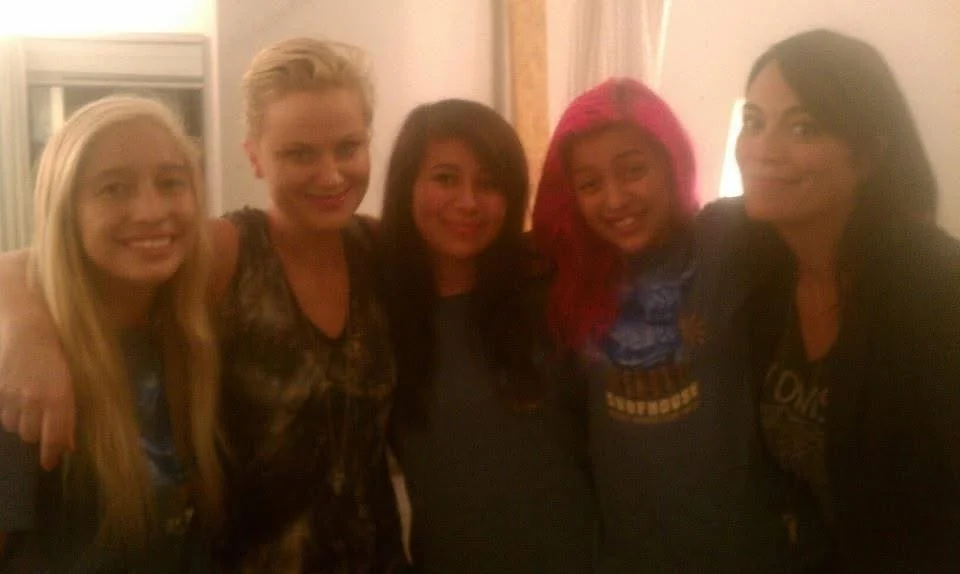
Representation gives you that little spark of, "Maybe I can do that too." Sometimes seeing another girl doing something you never thought was possible is all it takes to make you believe you could do it too.
What advice would you give to someone who's always wanted to try skateboarding but feels intimidated by skateparks or the community?
Allow yourself to be bad. Seriously. You're not supposed to walk into a skatepark and already know what you're doing. Take a lap, watch people skate, feel out the vibe, or bring a friend if that makes you feel more comfortable.
And if you don't have a friend who wants to go, go anyway. I promise, you're probably going to find someone there who's happy to talk to you or help you out.
I think we put so much pressure on ourselves to look like we know what we're doing, but nobody expects you to be good on your first day. You're there to learn, make mistakes, laugh at yourself, and hopefully have a really good time.
You don't have to prove anything to anybody. Just get on your board and give yourself permission to figure it out.
Everyone you see skating had a first day. We've all been the person who didn't know what they were doing. So don't be afraid to show up. You belong there, too.
What's one moment in your skateboarding journey that you're especially proud of, and why?
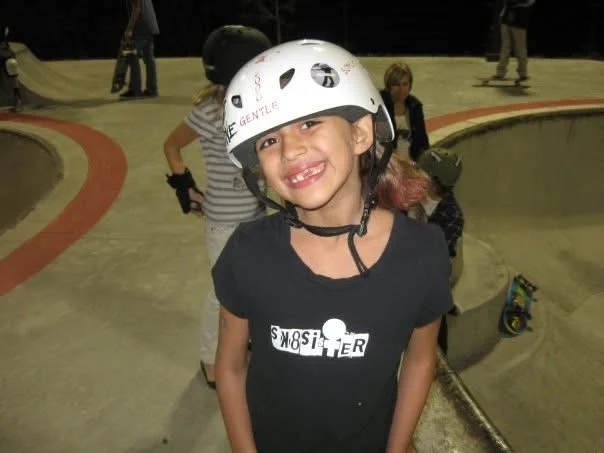
I'm most proud of where skateboarding has taken me, rather than one specific trick or accomplishment. It's given me a life I never could have planned for and introduced me to so many people, places, and opportunities I never would have experienced otherwise.
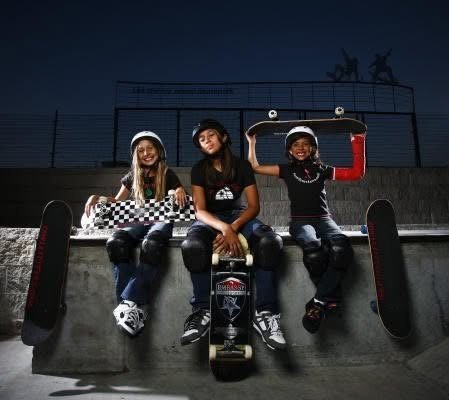
I've gotten to work with companies like Nike, Converse, and Google, have a short documentary made about me and my sisters by Dazed, and even be interviewed by Amy Poehler. Those are all really special memories, but what makes them meaningful to me is knowing where I started.
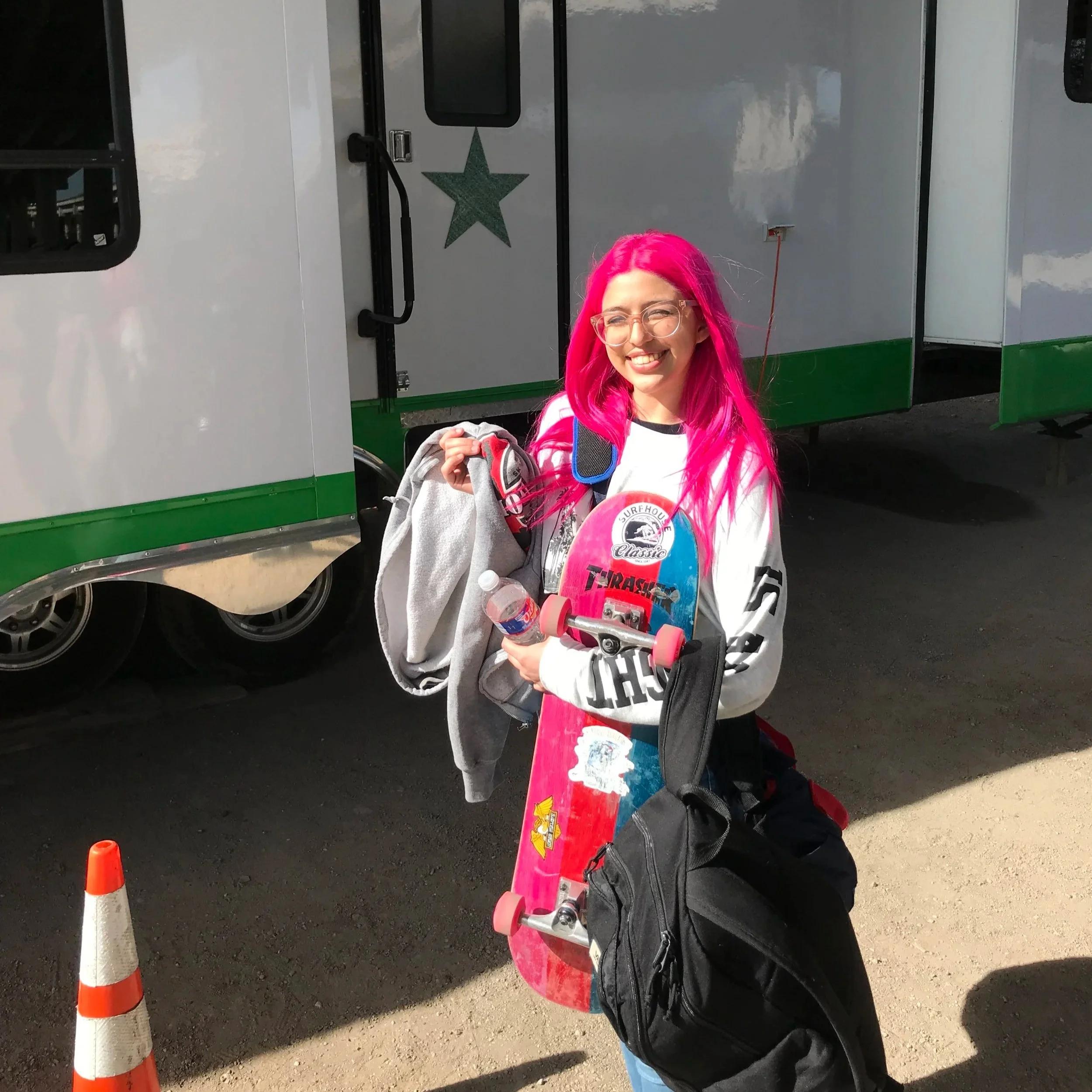
I think what makes me proudest now is being able to share that journey with other girls and hopefully make them feel like they have a place in skateboarding too. Whether they're eight years old or picking up a skateboard for the first time as an adult, I want them to feel like they can do this too.
Sometimes I think about that little girl who just wanted to go skate and wonder what she would think if she could see my life now. I don't think she would believe me.
If I can be for someone else what I needed when I was eight, I think that's probably the thing I'm most proud of.
Girl Skate Mag is all about celebrating and uplifting the community. Is there a woman, non-binary skater, or community organiser you'd love to give a shout-out to, and why?
First, my dad. He created spaces for girls in Houston skateboarding at a time when there really weren't many because he wanted his daughters to have a place in it. I remember him going into a skate shop and buying all the prizes for a girls' division because they weren't planning to have one. He didn't wait for space to be made for us. He made it himself. That has stayed with me my whole life.
Cindy Whitehead, the founder of Girl is NOT a 4 Letter Word, also really inspired me growing up and showed me that there was a place for girls in skateboarding.
I also want to shout out Heidi Lemmon. I only met her once when I visited Venice Beach, but she was so kind to me, and that little interaction really stuck with me. It reminded me how much a simple moment of kindness can mean, especially to a young girl finding her place in skateboarding. I've carried that with me and try to give that same kindness to every girl skater I meet.
And of course, Sammi, who created Girl Skate Mag. I'm really grateful for what she's created. I love that she gives people a space to share their stories and makes people feel seen and heard in skateboarding. I'm really honored to be a small part of it.
All of them have influenced me in different ways, but the common thread is creating space for other people. That's something I hope I can continue doing too.