Why Comparison Is Killing Your Skateboarding Progress
Written by Natasha Maruff
Do you ever see a seven-year-old on social media do an absolutely awe-inspiring trick, 540s, speeding through the bowl, grinding smoothly, and think to yourself, How come I can't make that kind of progress? Same here.
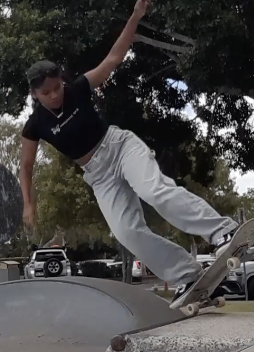
If you're like me, you get stuck in this mindset that you're not doing enough. Maybe on someone else's board, you would be. Maybe if you were a budding athlete, you would be. Maybe, if you wanted to be what we perceive as a real skater, you would be. But it took me two years–after skating already for half my life– to realise something simple; no skater picks up their board for the first time expecting to be the best. We start because it's fun– a lesson I'm reminded of every time my father and I push to a local park together, content to just carve lines and enjoy the session without needing to land something massive.
While others are doing massive tricks, it's okay that I like cruising through the bowl, carving small lines. It's okay that I'm in a never-ending love-hate relationship with coping while others are doing smooth, long grinds.
Though skating with those better than you can help you improve, comparison won't. Fast progress doesn't have to be everyone's progress. My progress is minuscule; I still can't rock to fakie, after all these years, on anything bigger than a 5ft ramp. But I'm okay with being intermediate or mediocre; it beats not skating at all.
And the truth is, being 'mediocre', or staying stuck at intermediate, isn't a lack of effort– it's about ongoing mental battles, about finding your flow. You know my love-hate relationship with rock to fakie? That's from breaking my foot when I was ten.
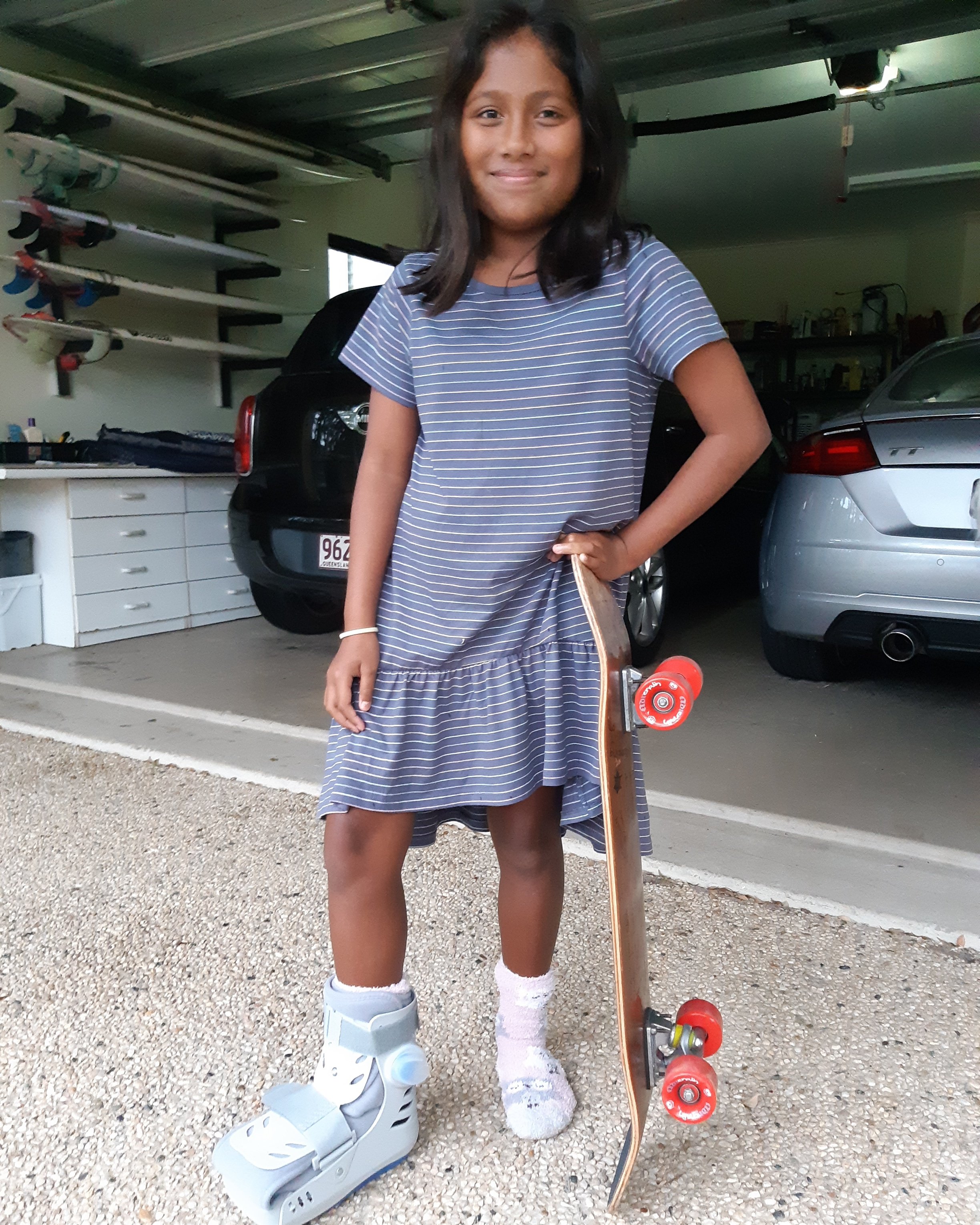
Breaking a bone, or any slam, can set you back, but it can absolutely help you overcome fear. Am I still petrified of doing rock to fakie, even after seven years? To a degree (not a complete yes). I can at least do it on a 5ft mini. For the most part, I stick to what's comfortable, carving in the bowl mostly, and occasionally some ramp work. These skills, for me, are not only comfortable but also just feel good, and after slams, the skills that feel good are vital. After a slam, skating no longer becomes about learning, but regaining confidence in your skills.
You can still do them; you just have to remind your brain you can.
Other than mental confidence, I've found the journey after a slam also needs physical confidence. Anyone else notice a difference in their walk when they're wearing a good outfit? That doesn't change with skateboarding.
For a long while, if you were a girl that skateboarded, you were a tomboy. There's nothing wrong with that, but to fit all of us skater girls into one stereotype, when we all have different personalities and styles?
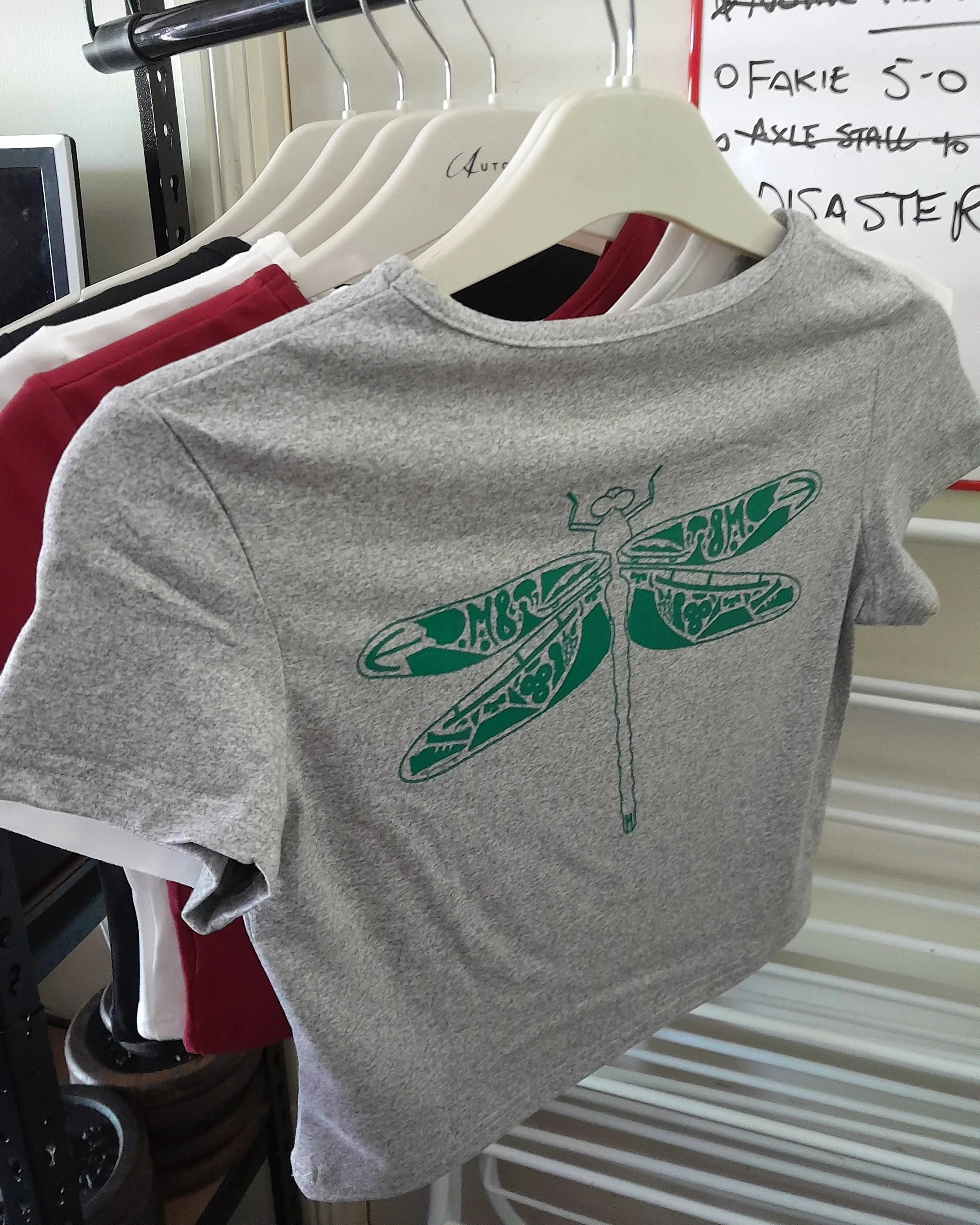
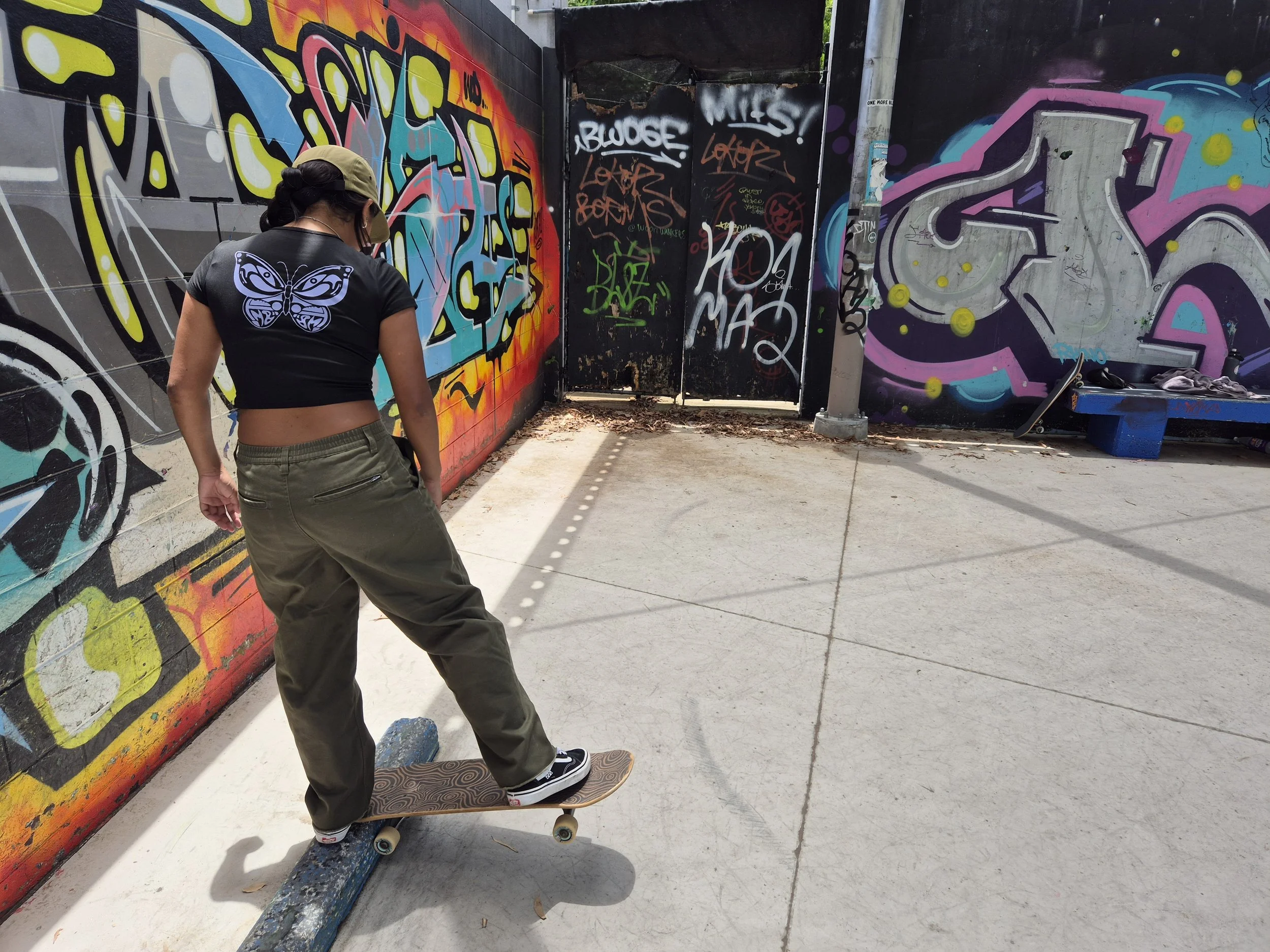
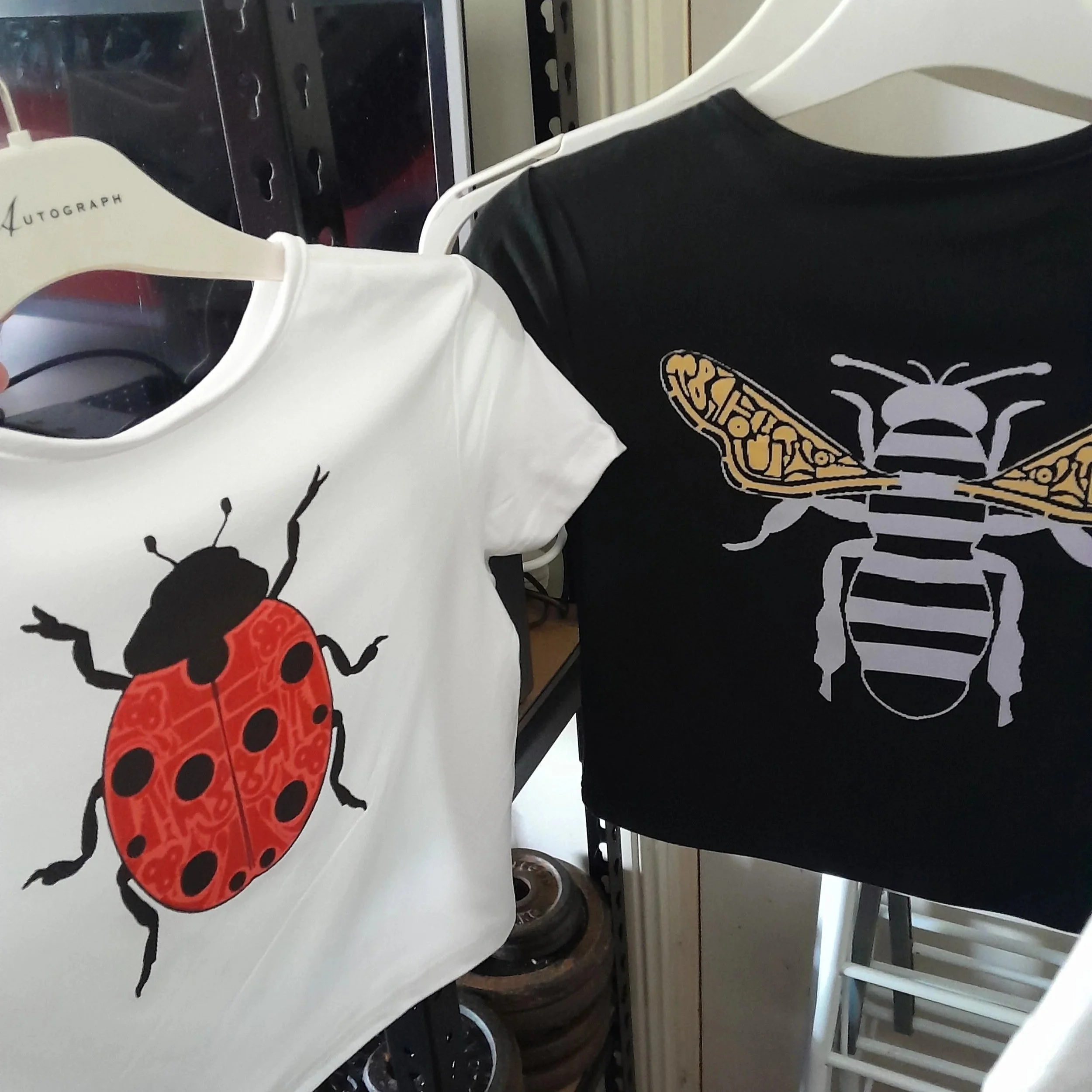
Maybe the skater girl starter kit includes the tomboy aesthetic, but our personal styles can evolve as we also evolve as skaters. Even then, female-targeted apparel doesn't need to explicitly communicate that we're female skaters. Female skate apparel can be baggy shirts, but it can also be tailored crops. Female skate apparel can be edgy designs, but it can also be a distinctly feminine design. Both are cool and stylish. It just depends on the skater, not the gender.
What you wear when you skate impacts your performance far more than you realised.
It's this realisation that led me to create Madame SK8 back in 2024. I wanted to create something lasting– apparel that gives female skaters the confidence to feel comfortable in their own skin (and outfits) on and off the board.
In 2026, Madame SK8 is technically up and running, but at the moment, I'm focusing on marketing rather than sales.
Madame SK8's goal though? To share our timeless designs with skate apparel that feels feminine, comfortable, and tailored to females who don't fit the classic tomboy stereotype. To give other skaters the opportunity to find their style and wear the confidence, to actually feel good and that they belong.
That same supportive energy I wanted to create through Madame SK8, around belonging and how we define a skater, and goals about inspiring confidence, is what I see every time I meet another female skater at a park overseas.
When travelling with my family, my father and I always go to the local skatepark. And like clockwork, I get a little nervous; why, I don't entirely know, but every time I have to push the initial nerves away.
But I always feel an instant relief and connection when I see another female skater. She may not know it, but she made me that little bit more comfortable. She may not know that she gave me an extra dose of confidence and reminded me that I do belong, by just showing up too.
And you may not know that you're inspiring another girl either, when you go skating. On that day when you might've been feeling lazy, and you didn't want to show up, or your skate friend couldn't make it that day so you weren't going to go, but did, there might be another girl feeling unsure, or like an imposter. But then they see you, and suddenly they feel seen, suddenly they feel confident to actually skate.
And as much as social media can give way to comparison, there is also a huge, supportive community of skater girls who will lift you up too, by just showing up and skating anyway. Social media has opened up this beautiful worldwide online community of female skaters, whose positivity but more so realism, that's keeping us into skateboarding.
It's the sharing of our personal journeys; when we started in our lives, what we're struggling with.
It's the realistic side of what progress looks like; not nailing something in one session but working on it over a longer period of time, but taking steps towards it every day, with as many slams as it takes.
It's the hype you get from strangers; people who don't know you but see you nonetheless and are proud and excited for the progress you make.
Social media hasn't introduced anything new to skateboarding; our sport has always been community driven, but it has strengthened it, has opened us up to more people, and to transparency.
So why are you still comparing yourself to a seven-year-old on social media? Stop. You've got a whole community, whether you see it or not, that knows you belong at the park. Skill level does not matter. How fast you make progress does not matter. None of it matters.
Make your own definition of a skater, show up, be confident. The rest of us are cheering you on, every step of the way.