EPICENTER: Capturing the Heart of Embarcadero
By Samantha Bache
I wasn’t able to make it to the exhibition of EPICENTER by Jacob Rosenberg at GCS Agency, but some moments are too important to miss entirely. EPICENTER, Rosenberg’s second monograph, released in November 2025 and on view through January 25, 2026, is not just a photo book or gallery show. It is a preservation of skateboarding history at a time when its physical landmarks are changing forever.
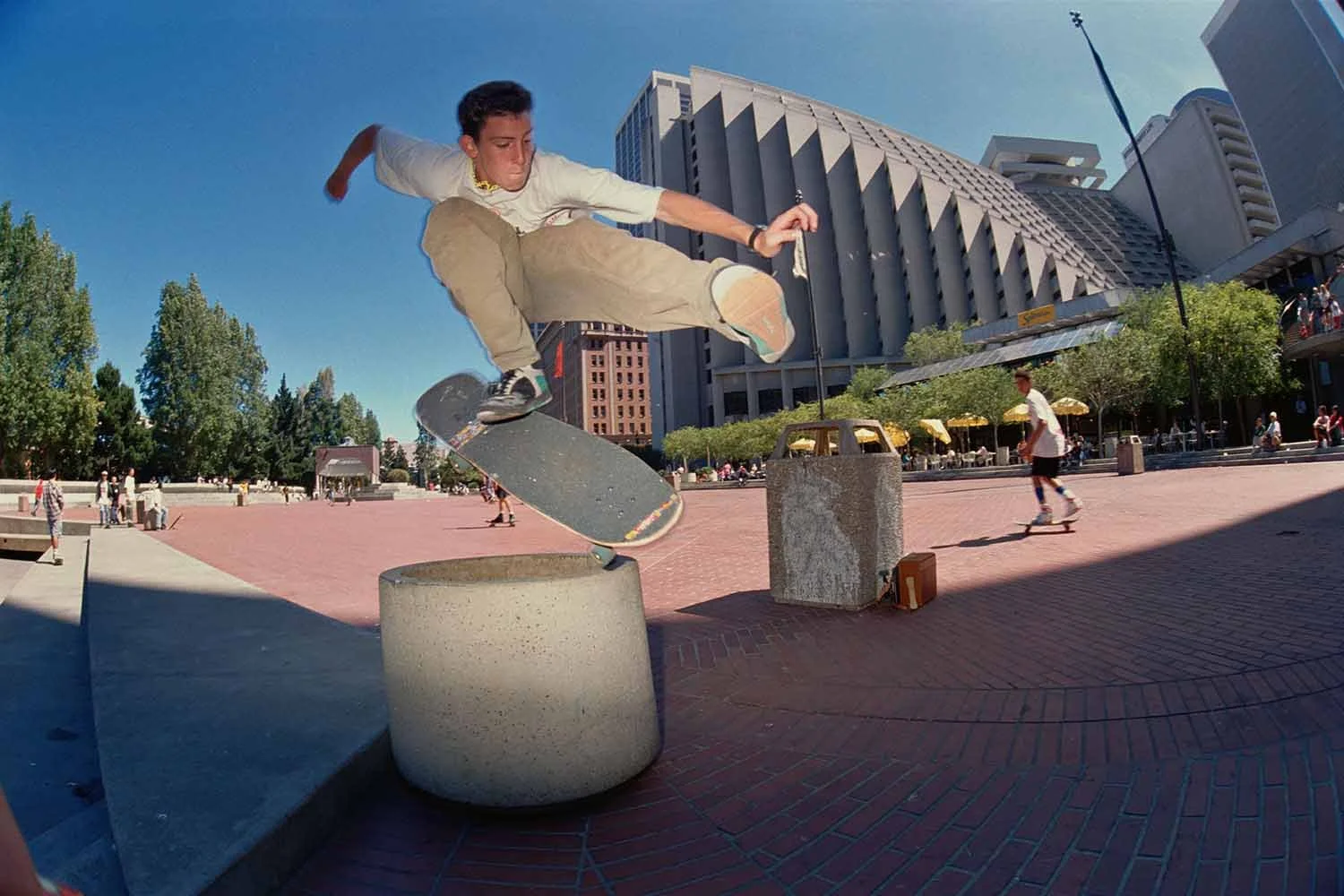
AARON CURRY JULY 1990
The focus of EPICENTER is Embarcadero Plaza in San Francisco, the iconic skate spot where some of the 1990s’ most influential skateboarders, including Mike Carroll, Henry Sanchez, James Kelch, Chico Brenes, Karl Watson, and Mike Cao, shaped skateboarding culture. Between 1990 and 1993, Rosenberg, then a teenager, made the daily drive from Palo Alto to document the energy and innovation of the plaza. Armed with a Canon 8mm camcorder and a 35mm reflex camera, he captured tricks, style, and moments of pure community that defined an era.
Creative directed by Greg Hunt and designed by Alexander Hansford, EPICENTER combines previously unseen photographs, video frame grabs, interviews with skaters, original essays by Ted Barrow Ph.D., Anthony Pappalardo, and Kevin Wilkins, and an original art print by Eric Merrell. It is not just a collection of images. It is a carefully curated story that puts the reader in the middle of a cultural epicenter, witnessing skateboarding’s golden moment as it happened.
Rosenberg explains that the project became urgent when redevelopment plans threatened to erase Embarcadero’s history. Though he was not a local, he was present, observing, documenting, and becoming a messenger for a wider audience. EPICENTER preserves not only the tricks and style but also the atmosphere, the sound of the plaza, and the feeling of belonging that skateboarding offered to those who needed it most.
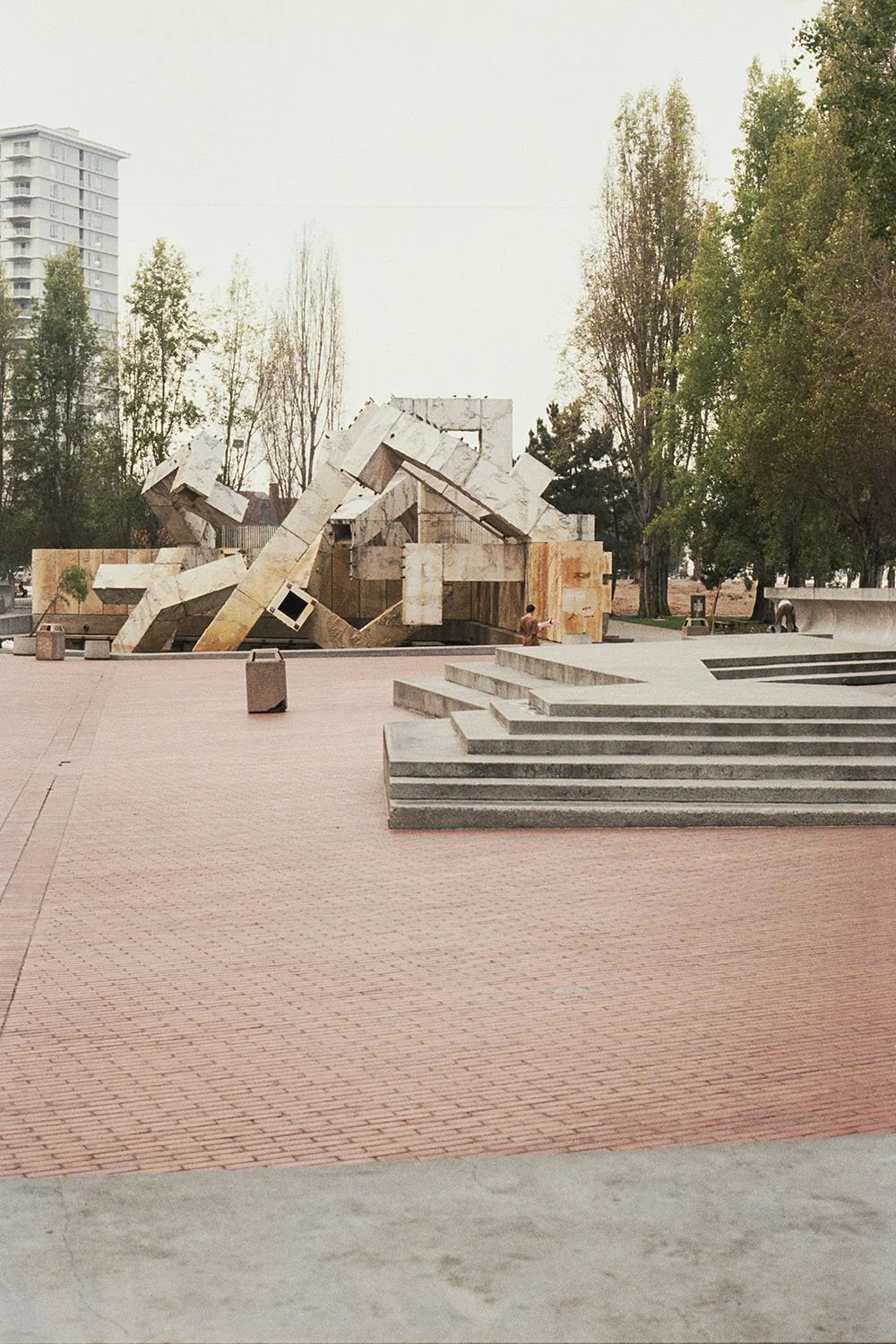
VAILLAN COURT FOUNTAIN VIEW OCTOBER 1991.
While EPICENTER is not specifically about women’s skateboarding, it is a reminder that skateboarding culture is bigger than any one group or era. Preserving moments like this helps all of us understand where the culture comes from, what it has meant to generations of skaters, and why it is worth fighting for and celebrating today. For the girls skating now and the ones coming up, understanding this history strengthens the foundation we all ride from.
Even for someone who could not attend the opening, the impact of EPICENTER is clear. Skateboarding is more than moves on concrete. It is culture, memory, and community. And through Rosenberg’s lens, the spirit of Embarcadero lives on.
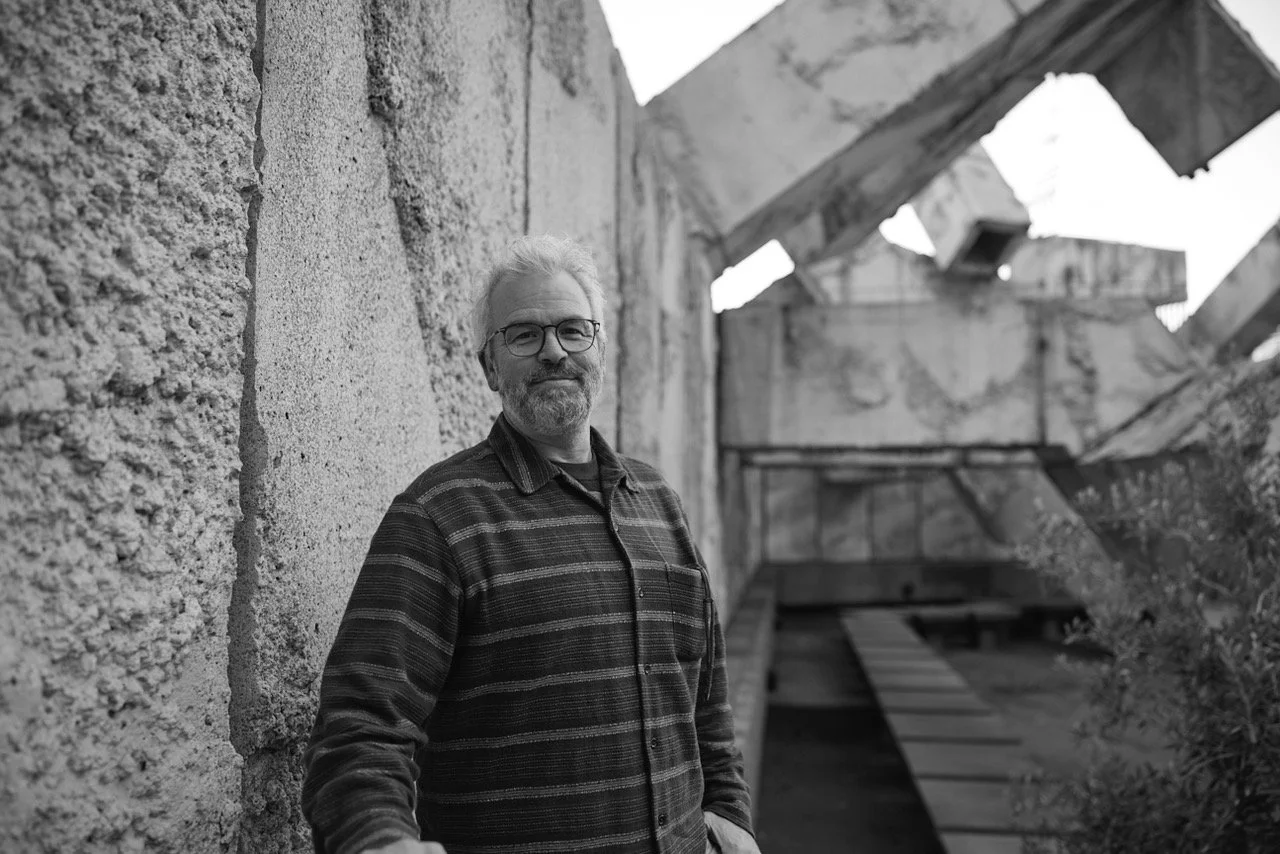
About Jacob Rosenberg
Jacob Rosenberg is a filmmaker and photographer who came of age as a skateboarder in early 1990s Northern California, making seminal videos for Plan B Skateboards under the mentorship of the late founder Mike Ternasky. He went on to direct music videos, short films, and commercials for artists and athletes such as LeBron James, Quincy Jones, Snoop Dogg, and Latto. Rosenberg spent a decade at Bandito Brothers, contributing to projects such as Avatar, Act of Valor, and numerous documentaries. He has also directed award-winning campaigns for major brands.
In 2012, his directorial debut, Waiting for Lightning, premiered at SXSW, documenting childhood friend and skateboarding legend Danny Way. Last year, he co-curated Recording the Ride: The Rise of Street-Style Skate Videos at the Museum of the Moving Image and released his first photo book, RIGHT BEFORE MY EYES. EPICENTER is his second monograph, presenting previously unseen images, interviews, and essays centered on Embarcadero Plaza, one of skateboarding’s most important landmarks.