by Cherry Jackson
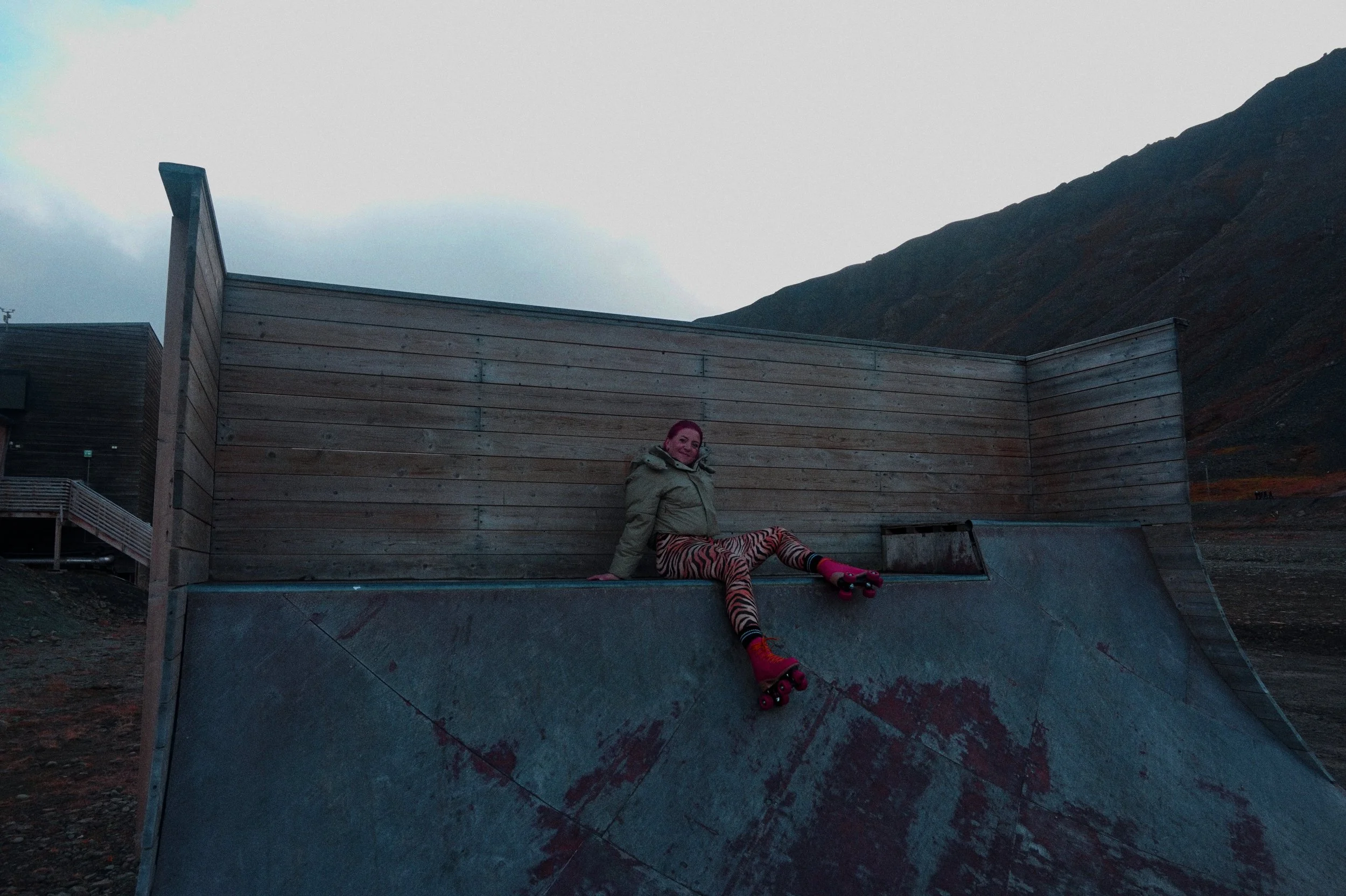
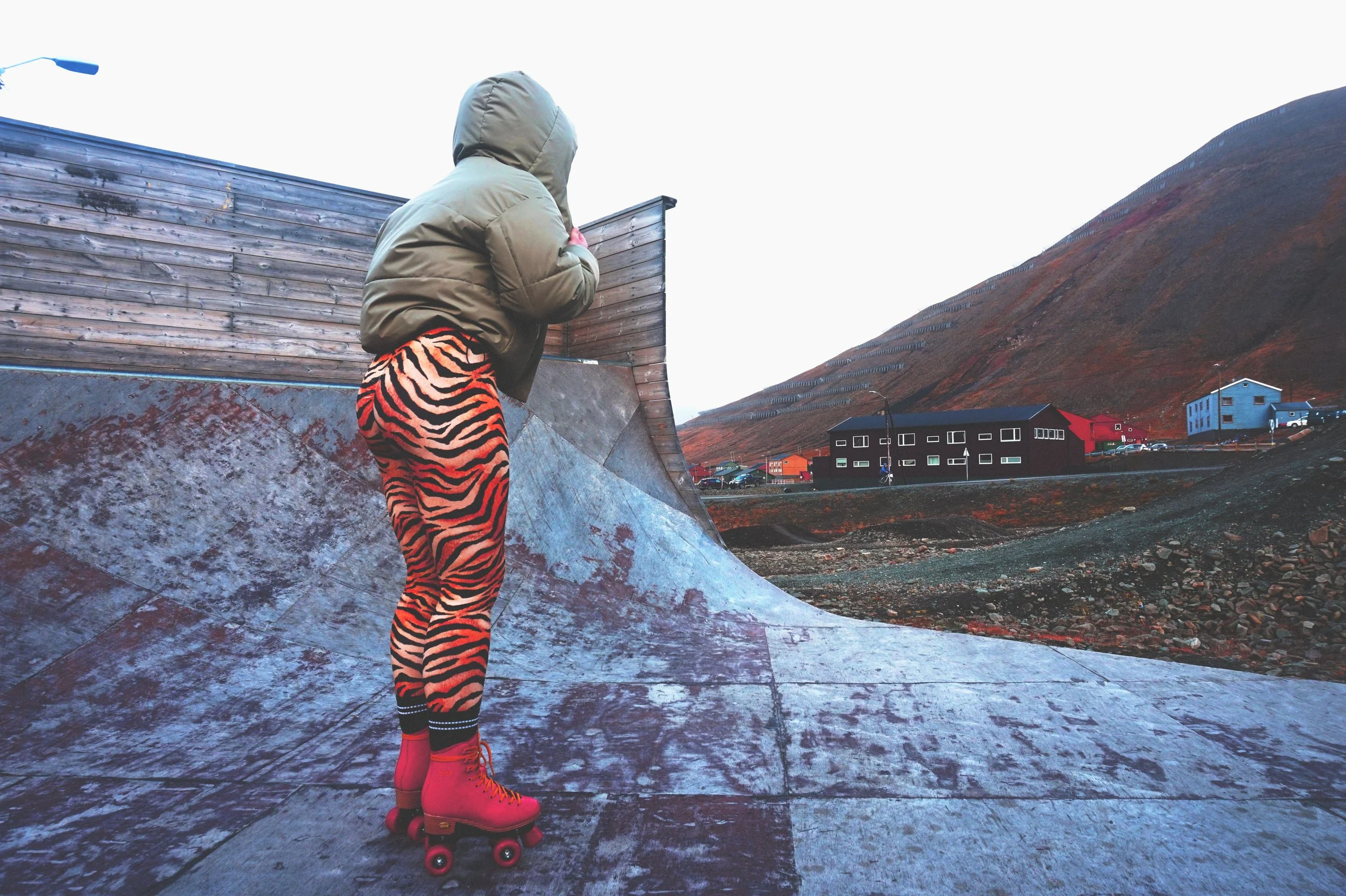
The tiny skate ramp in Longyearbyen sits exposed to the Arctic wind, framed by glaciers and crumbling dark rock. ‘I began roller skating during one of the lockdowns in COVID,’ Ruth said as we sat on the ramp lacing up our skates, hers as bright as Dorothy’s ruby-red slippers and mine a powder pink. ‘My partner at the time and I were living in Bristol, and really wanted something that got us moving outside that was safe during COVID times. And for me, with my dance background, it’s a way to channel my creativity.’
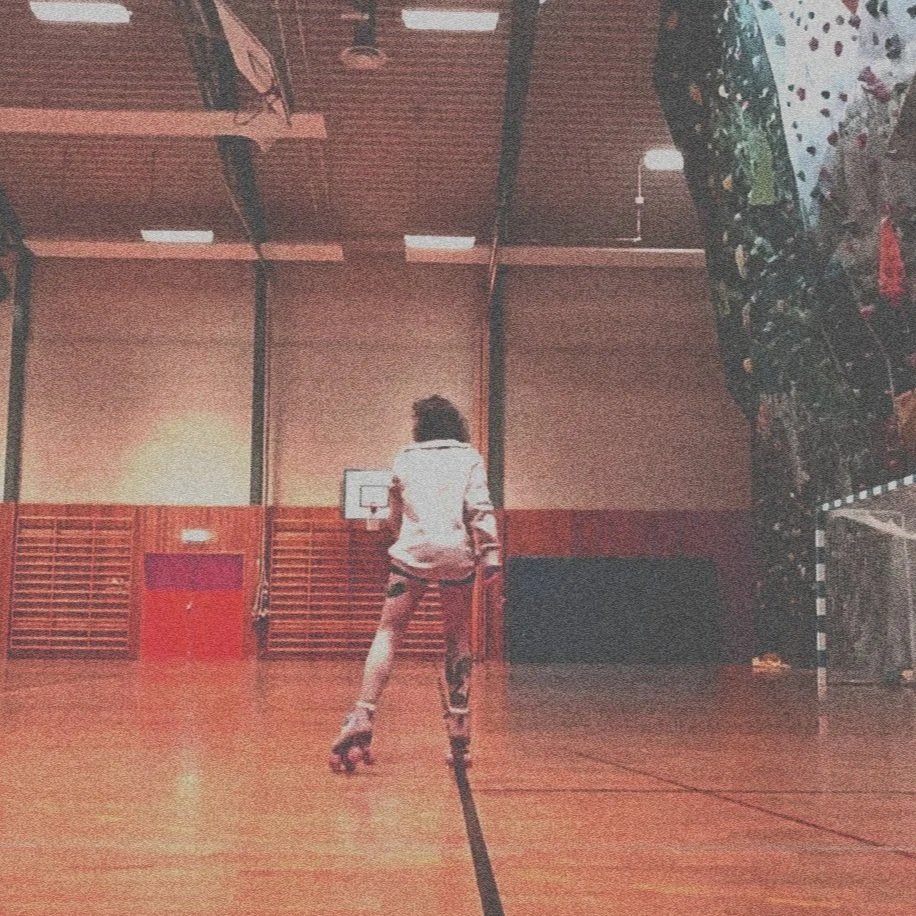
Residency here in Longyearbyen requires only citizenship from a Svalbard Treaty nation, a job, and accommodation, though the latter two are notoriously scarce and often tied to one another. It is a town of extremes, not just in its months of endless sunlight or pitch-blackness, but in its impermanence. With a 25% annual turnover, the social landscape is as transient as the archipelago’s melting ice. As such, forming a community where social life can be maintained and shared is difficult. ‘What I loved about roller skating back home was the people,’ Ruth continued. ‘It was full of kind, welcoming people from all walks of life, all of us bringing the same kind of energy.’ But in Longyearbyen, the organisation of an activity often falls on one person to create a space; keeping those wheels turning can be an exhausting and lonely experience, and when that person inevitably leaves, the wheels stop spinning.
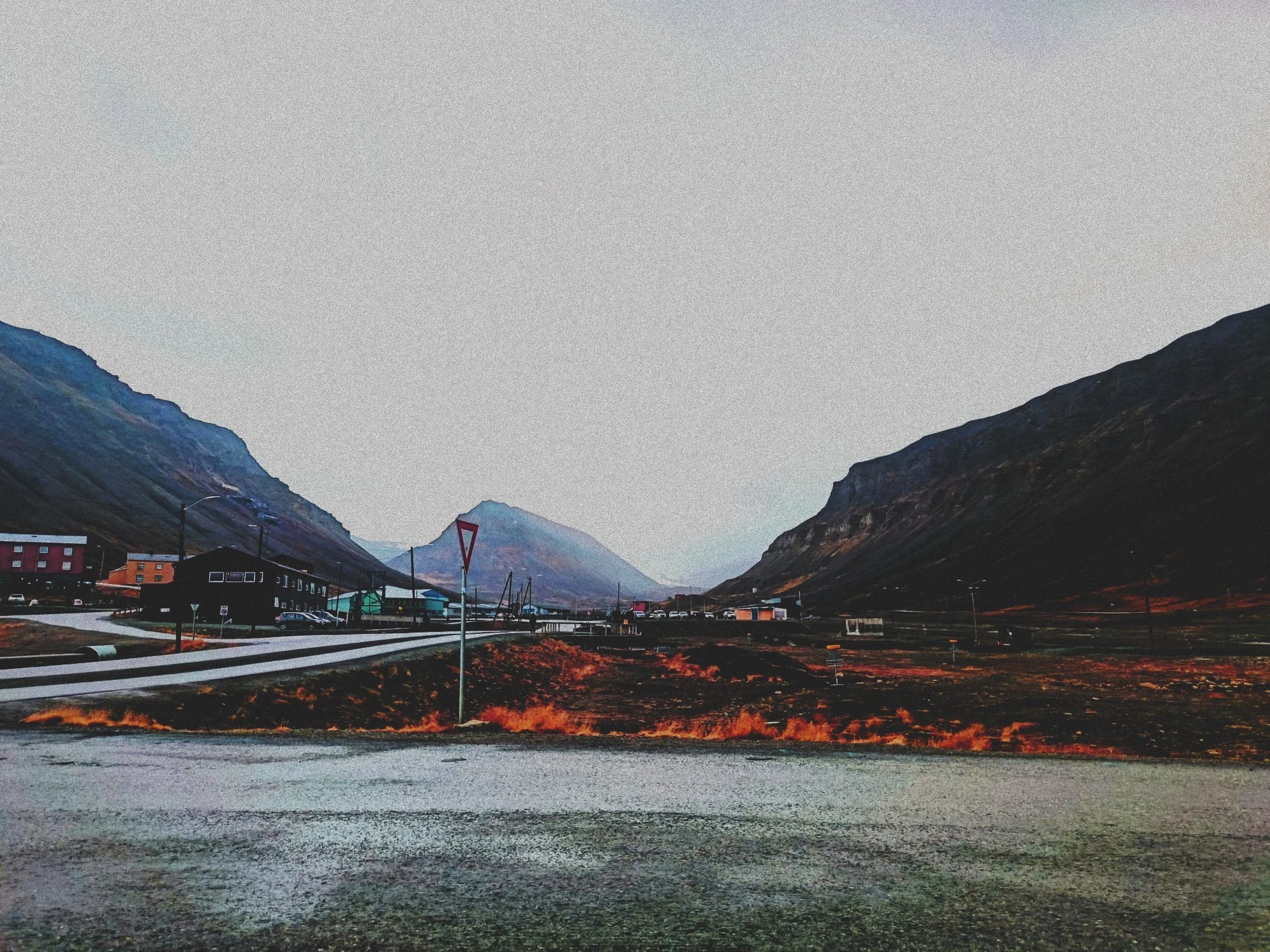
This cycle of temporary residents relying on temporary solutions is reflected in how the town physically moves. Despite having less than forty kilometres of road, Longyearbyen relies heavily on motorised transport. Registered snowmobiles outnumber residents, and car ownership is disproportionately high for a settlement where almost everything is within a twenty-minute walk. ‘Imagine everyone here on skates, or skateboards, or bikes,’ Ruth said. ‘Everyone can walk or cycle to work, but they choose to drive.’ With a global shift to more environmentally friendly sources of energy alongside a push for less consumption, the changing of car tyres to roller skate wheels seems like a logical next step.
Pushing forward on skates may feel like a clean break from the past: human-powered kinetic energy in a town historically defined by coal dust and snowmobile exhaust. But the fluid glide of modern skating is a mid-century chemical triumph. Our wheels are cast from polyurethane, a synthetic plastic born in the heated belly of a petrochemical refinery. Before its mass adoption in the 1970s, skaters rattled along on clay or metal wheels. It took the petroleum industry to give the wheel its grip, its speed, and its silence. When you skate, you’re gliding on refined oil.
Even the recent emergence of ‘eco-friendly’ skate brands offers only a partial route out. Whilst some manufacturers now use bio-based urethanes like soybean or algae oils, these materials still require heavy industrial processing and are frequently blended with traditional petroleum derivatives to maintain durability. The chemical reality, as such, remains largely unchanged.
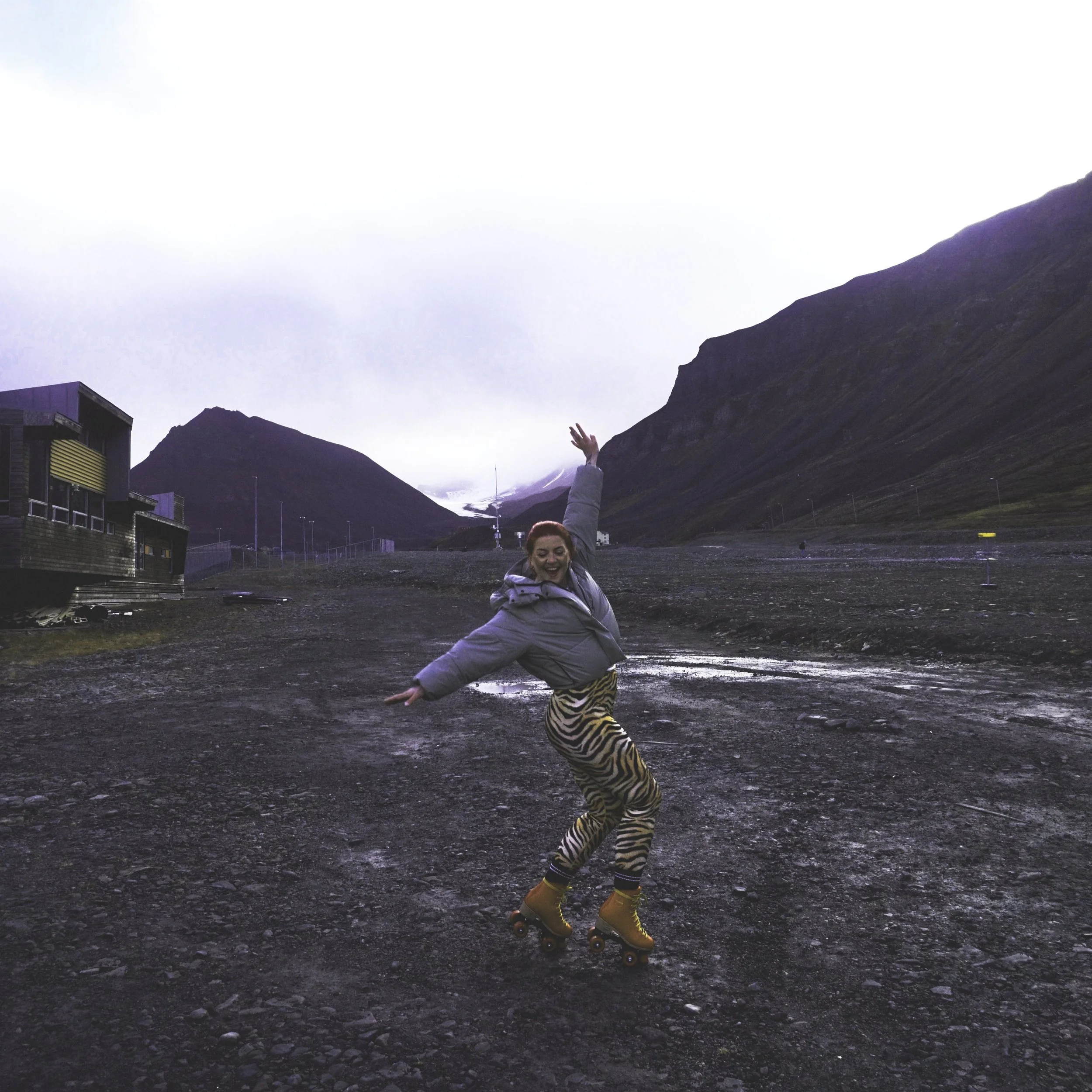
Then look at the road itself. If the pot-holed roads are paved in Longyearbyen, it’s with modern asphalt, bound together by bitumen. Bitumen is the heavy, viscous black sludge scraped from the bottom of a crude oil distillation tower. When the plastic wheel meets the bitumen road, it creates a petrochemical reunion that allows the skater to glide forward.
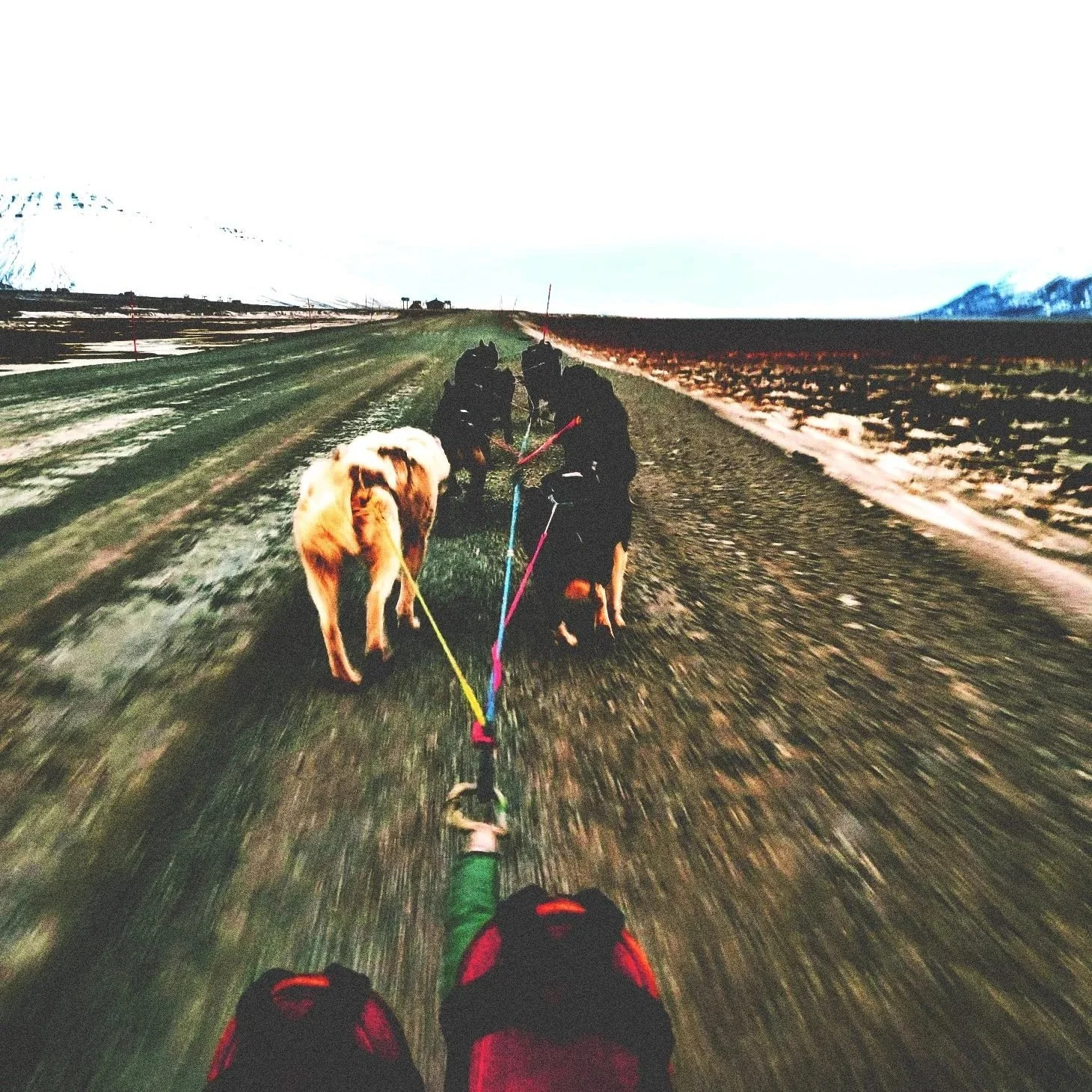
But in a high-Arctic settlement, the question is why not simply ice skate or ski? Whilst for generations, those have been the obvious choices, the ice we once skated on is growing thinner, and the snowpack less reliable. We are increasingly forced to swap blades for wheels just to keep moving. In Longyearbyen, traditional Arctic transport is being forced into the same compromise we make on our skates. With a shrinking annual snowfall, mushers are swapping sled runners for carts with wheels to keep their tourist operations running. But whilst wheels work on asphalt, you can’t run carts over protected tundra without tearing up the ecosystem. Consequently, mushers on wheels are confined to the town’s short stretches of existing gravel and paved roads. The very adaptation meant to keep the town moving ends up limiting where we can actually go.
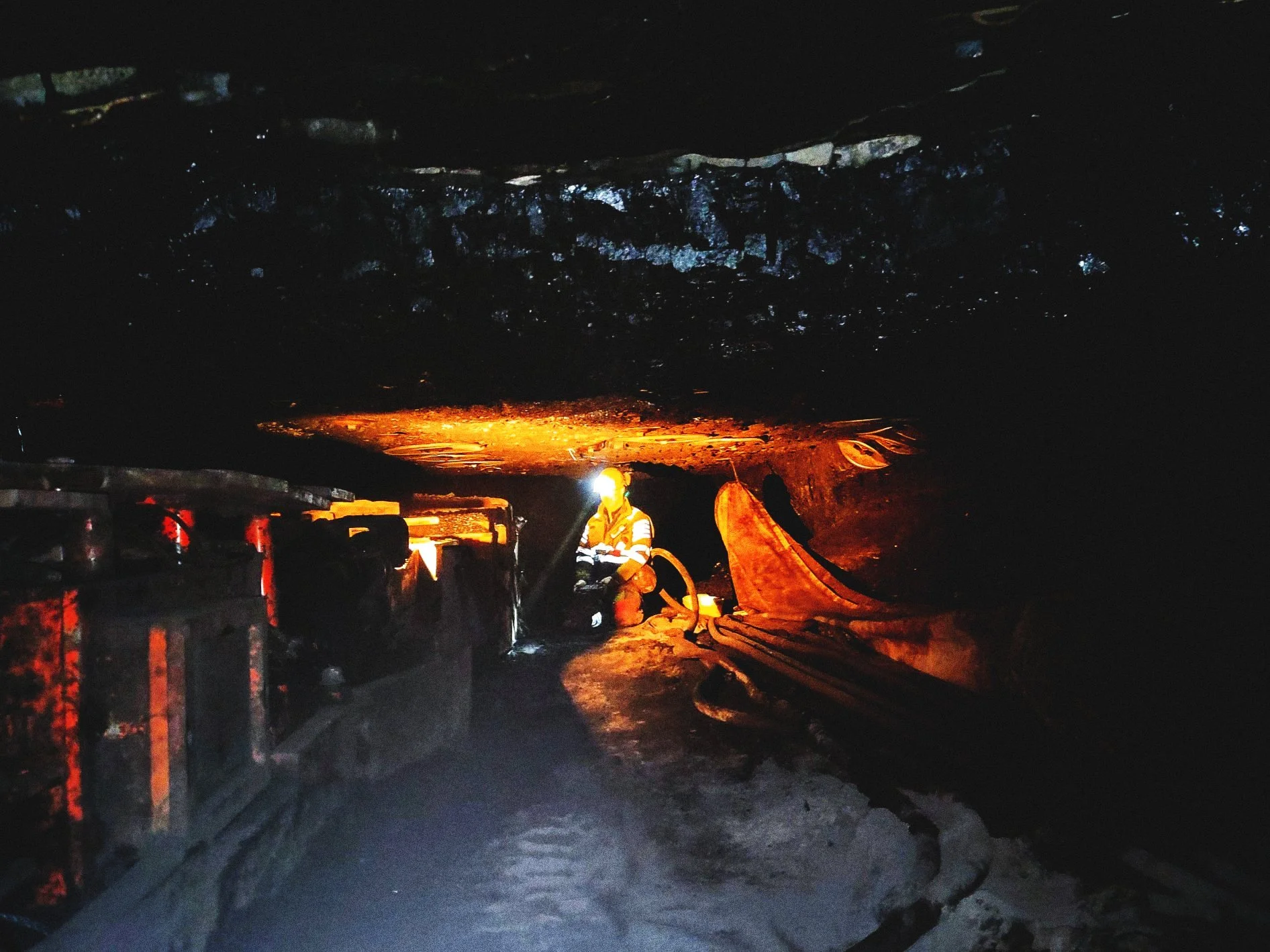
This physical adaptation exposes the deeper irony in how Longyearbyen functions. Svalbard is experiencing the effects of climate change at a much faster rate than the rest of the world. The archipelago is increasingly warm and wet; cloudberry bushes are beginning to bear fruit. For over a century, miners carved a living out of the permafrost to feed the local coal plant. Now, with the coal plant shuttered and Mine 7, the last Norwegian coal operation here, closed, the town’s thermal heartbeat relies on millions of litres of diesel shipped from the mainland to keep the generators running and the water pipes from freezing. The local economy now survives on tourism and scientific research: thousands of travellers and scientists come to witness a thawing wilderness, but accessing this remote archipelago requires burning massive amounts of aviation and marine fuel. Just as we skaters bypass the combustion engine by rolling on polyurethane, Longyearbyen has bypassed local coal mining by importing foreign diesel and turning to tourism. We haven’t escaped hydrocarbons. We’ve just changed where they appear.
This is the messy reality of the global energy transition. Whether it is a town trying to heat its homes and businesses without coal, or Ruth striving for momentum on a small ramp and pot-holed asphalt, the immediate solutions are enmeshed within the systems we are trying to leave behind. For now, the path beneath our wheels is still slick with oil.