Skatedex: The Skatepark Map Built by Skaters, for Skaters
By Samantha Bache
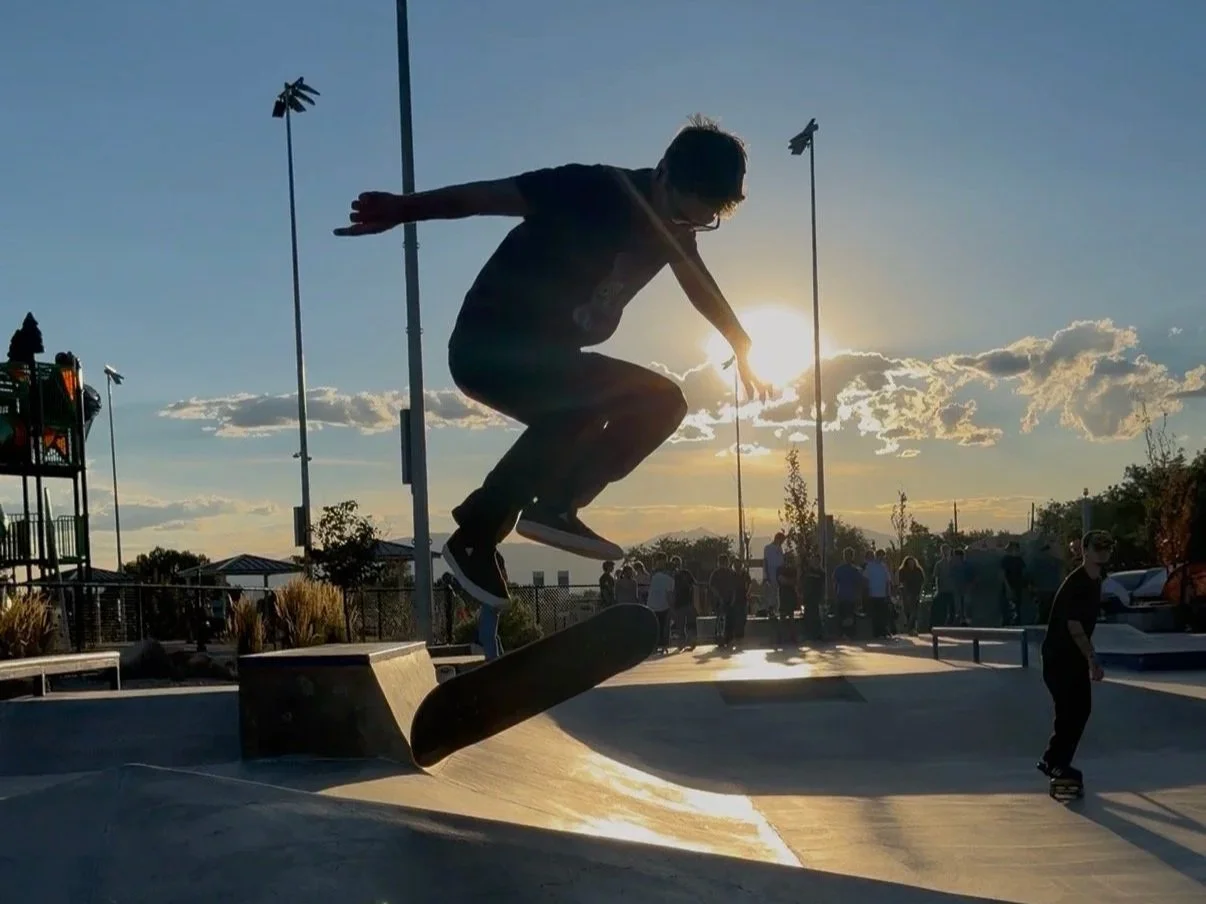
Skatedex maps over 8,600 skateparks worldwide, including 400 right here in the UK. We spoke with the team behind the app to talk park hunting, road trips, sponsorship and why every park deserves a spot on the map.
For anyone discovering Skatedex for the first time, what is it and what made you want to create it?
At first we just wanted to make a skatepark directory. We all travel a lot, and Google and Apple Maps don't give accurate information on skateparks. Often there are no photos (or photos of the playground next door) and the addresses are wrong, so you end up using every resource possible to find a park you might not even know exists, or is still open.
We solved that with our Global Skatepark Directory: photos, exact coordinates, obstacles and descriptions. It saves you the stress of searching and the 40-minute drive to check out a new park, and you know exactly what to expect when you arrive.
We want people's first experience to open their minds to the growing culture of skateboarding, and concrete sports alike, in our generation. We value both the core of skating and the technology of our era. Our goal is to connect riders worldwide, make it easy to reach the 8,600+ skateparks on our interactive map, and create a space to connect away from the noise and politics of standard social media.
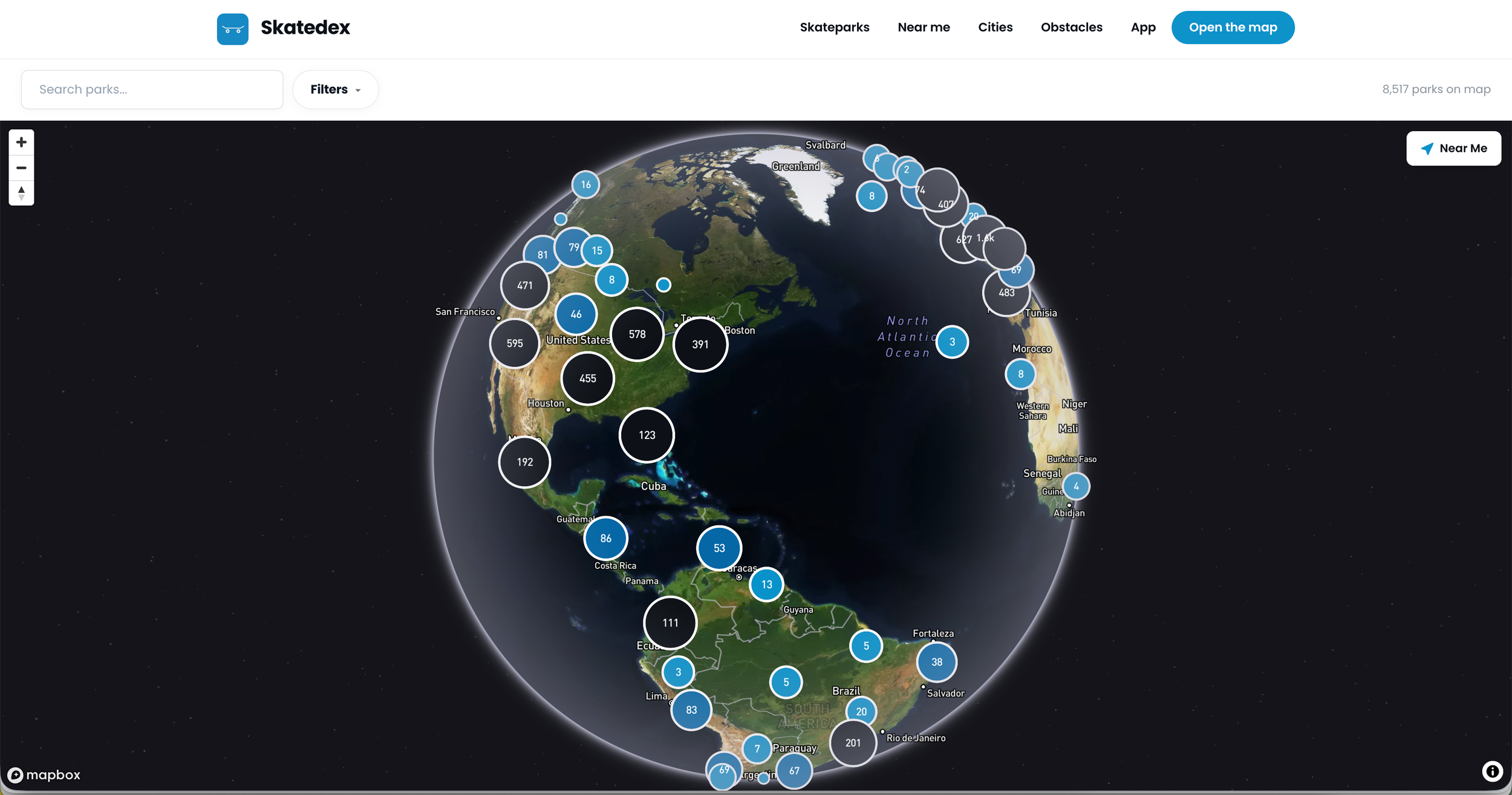
One of the things we love most about Skatedex is discovering new parks. How do you find out about all the skateparks that get added? Is it skaters, councils, builders, submissions, research, or a mixture of everything?
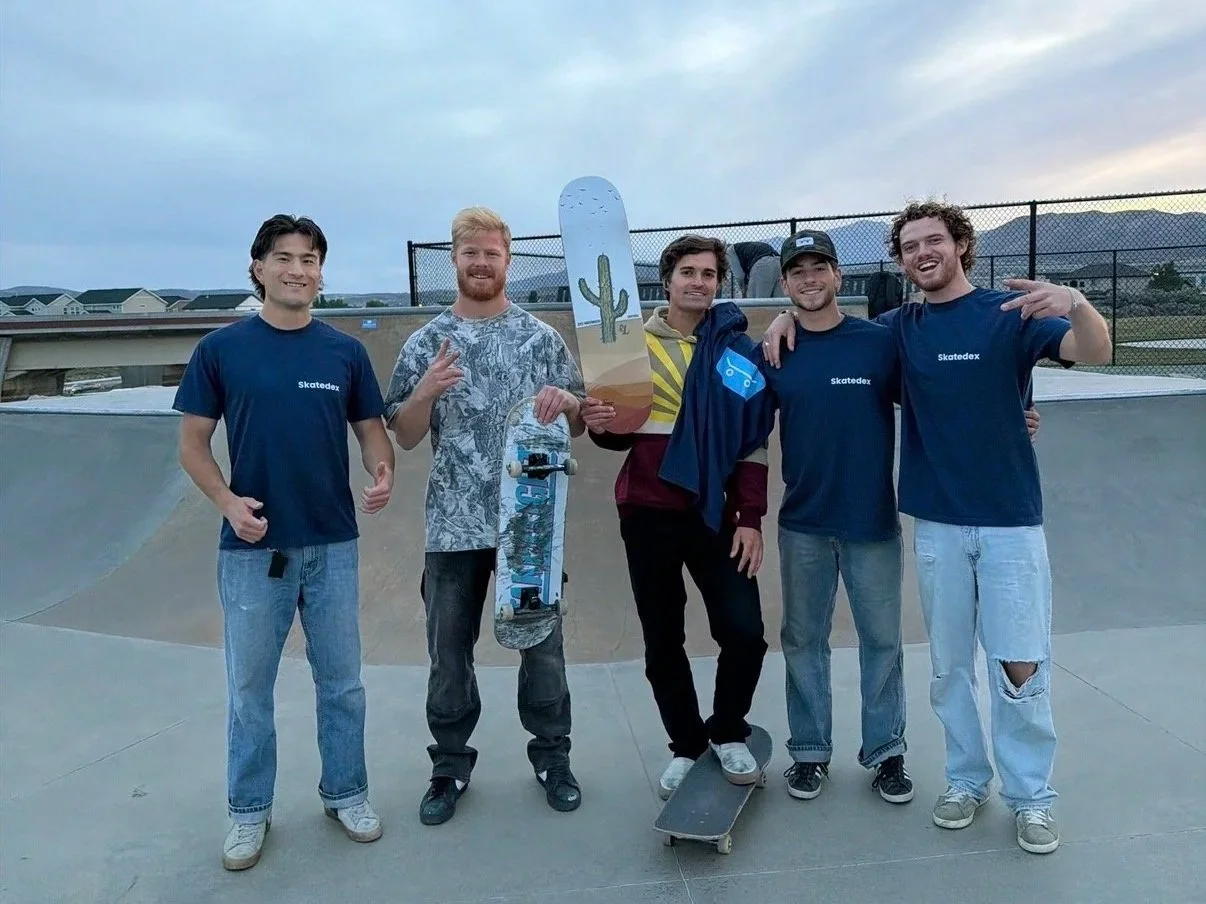
Our team works every day, state by state and country by country, dialling in the correct addresses, obstacles and exact coordinates. That takes constant research, outreach to park builders and support from our users. Our ambassadors have personally visited thousands of skateparks across the US, Canada, Europe, and South and Central America.
The platform lets users update parks in seconds, whether that's adding photos, leaving reviews, updating obstacles or adding a new park entirely. It's part of our flywheel approach: we rely on the community to fill in the gaps, because we can't be everywhere at once. Users are credited for their updates, which brings more people to their profiles, grows their media presence and hopefully connects them with nearby riders to stack more content and grow their crews.
How do you make sure the information on a park is accurate? Skateparks change, get rebuilt, close down or have new obstacles added, so how do you keep track?
It's a mix of a consistent social media presence, connections with builders and simply knowing what's going on in the skate community. Locally it's easier: we hear about changes just hanging out at the park with friends, meeting travellers and staying in the loop.
Worldwide, we rely on our ambassadors to keep parks up to date. We also travel a lot, so we double-check parks and add new parks, street spots and plazas as we come across them. If a park expands or closes, users can tap "Add an Obstacle" or "Something's off?" to add or remove obstacles and photos, and that updates straight away. New locations are emailed to us to verify before they go into our database. Location is the most important part, followed by photos, obstacles and descriptions.
What's the most underrated skatepark you've found so far?
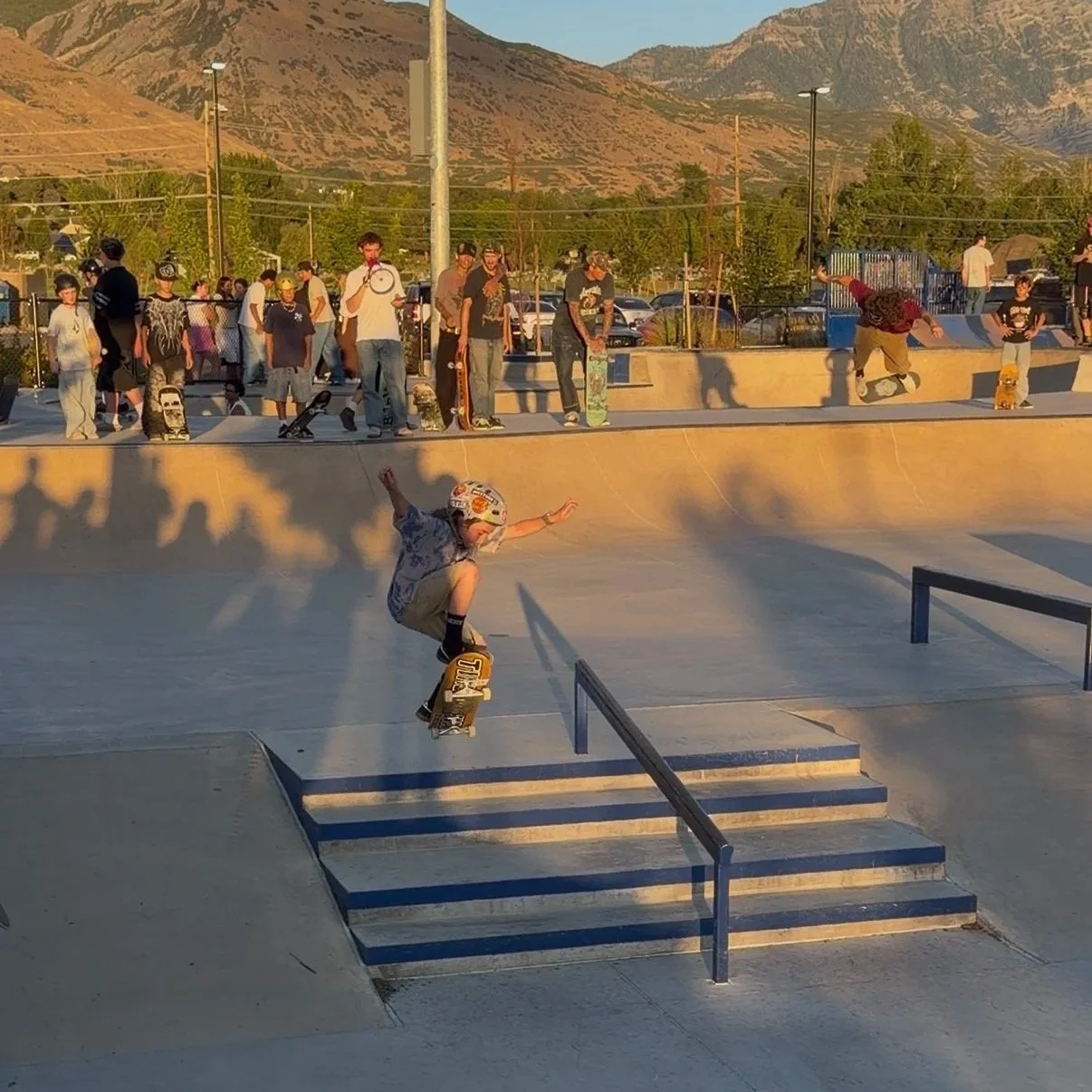
Washington Wheels Skatepark in St. George, Utah is the most stacked park we've come across, and it's only a few hours from our base in Salt Lake City. Here's our description from the app and website:
Spanning 12 massive acres, this regional superpark features roughly 130,000 square feet of riding terrain. It's split evenly between a 65,000 sq ft concrete layout designed by Spohn Ranch and a 65,000 sq ft advanced bike course designed by Avid Trails, making it a global flagship destination for skating and riding in Southern Utah. The unstaffed facility is open daily from dawn to dusk and welcomes all non-motorised wheels.
Skate trips are such a big part of skate culture. How could Skatedex change the way someone plans one, whether across the US or somewhere completely new?
As a traveller and board rider of all kinds, whether I'm heading to the next ski resort or surf break, having skateparks on the way can make or break a road trip. So we're really excited to announce our Roadtrip feature! You add your starting point, stops along the way and your destination.
I tried New York to LA with a stop in Salt Lake City, and it immediately showed me 234 skateparks: 24 within five minutes of the drive, 84 within 15 minutes and 126 within 45 minutes. It works with Apple and Google Maps and automatically builds day-by-day road trip instructions showing which parks are most accessible and recommended. Our Offline Maps feature keeps you on track when you lose signal, and it's already saved me from getting lost on back roads more than once.
Skatedex also lets you log sessions, track your skating and build up your skate history. If you're only into transition, search by bowl. If you're a street skater, search by stair set or handrail. For the growing surf skate, quad and BMX community, we've added over 200 parks with pump tracks and snake runs. And we've added 400 parks in the UK for all our local GirlSkateMag readers!
Why was it important to make it more than just a skatepark directory?
It's crucial for aspiring and dedicated skaters. Whether you're looking for sponsorship or to grow your media presence, a profile makes it really easy to share your content. As a skate brand we get tons of sponsorship requests, and we noticed pretty quickly that dedication is far more valuable than skill. Just because you can treflip a nine stair doesn't mean you can put down consistent lines, show up to events and be ready when it's time to film.
Your profile isn't just for posting on Skatedex. It's an interactive portfolio for sponsors, which we call a Skatefolio. It's something we never had growing up: a way to show your stance and riding style (transition, street, flatground, surf), your average sessions per week and your clips at each park. You can also add your local park to represent your community.
The idea is for riders to build credibility on the platform and send it to companies for sponsorship. With auto check-in and auto session tracking, you don't even need to get your phone out. Just pull up to the park, grab your board and skate! Every profile gets its own link you can send to anyone, and people don't need an account to view it.
The platform is community-powered. What have you learned from the community that you wouldn't have found through traditional research?
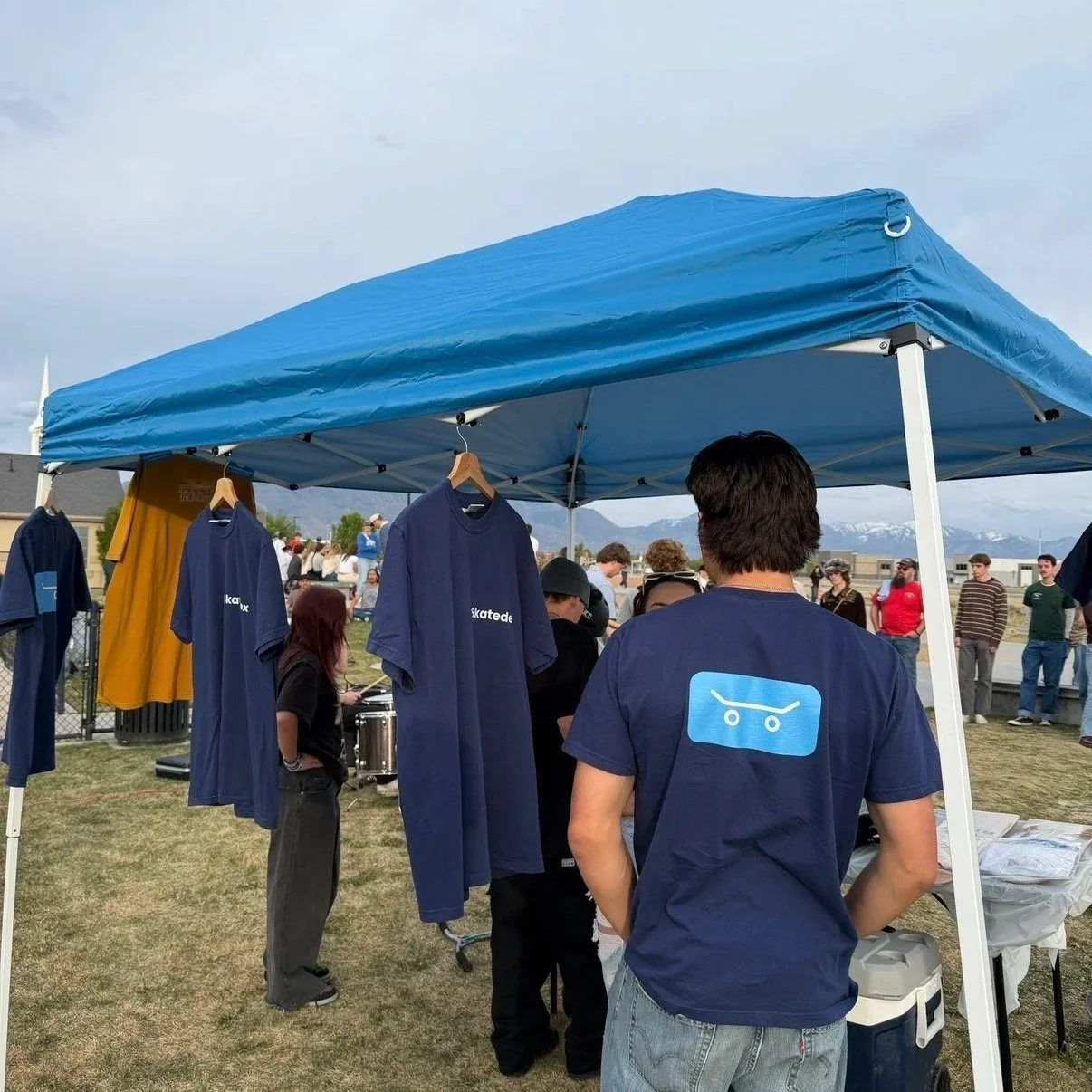
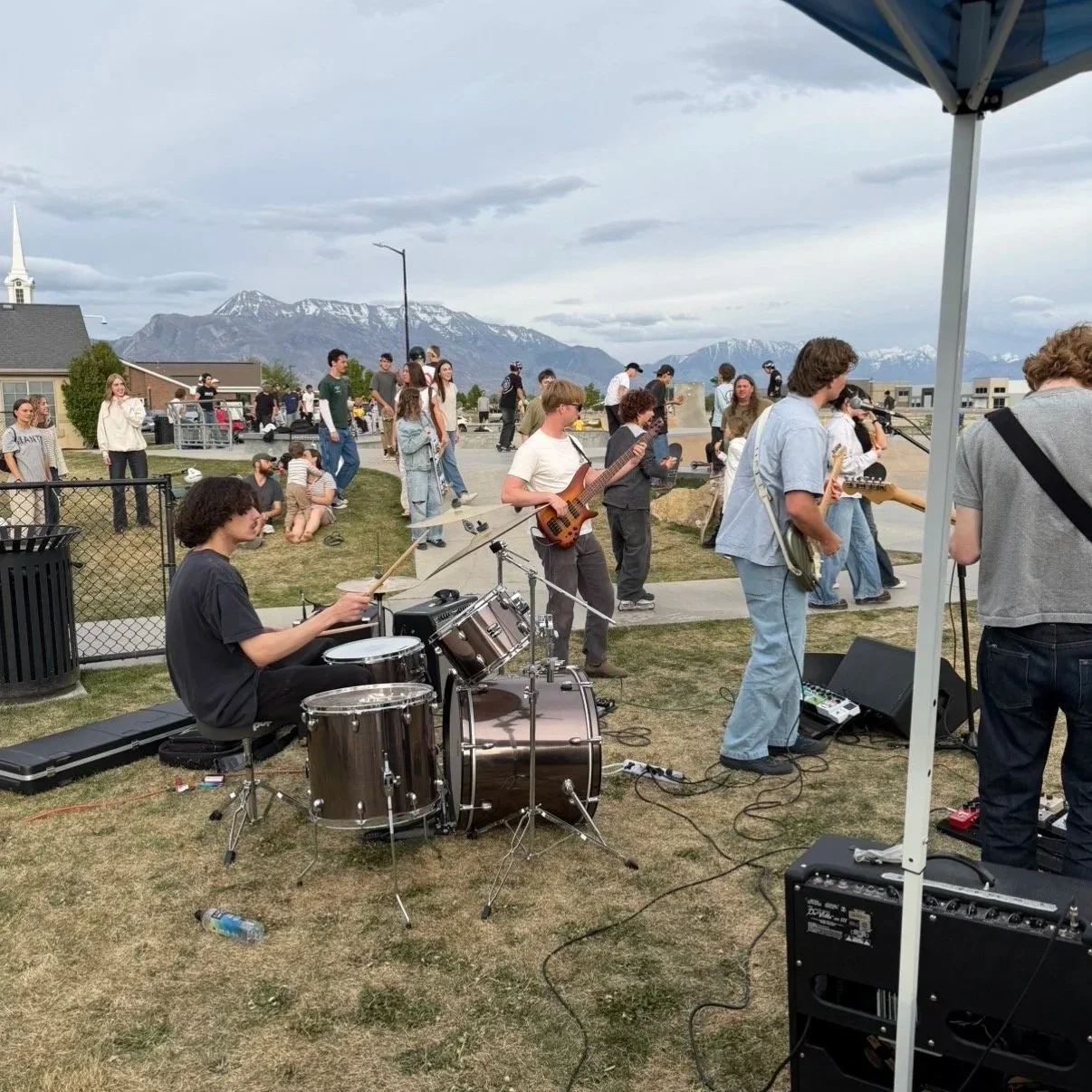
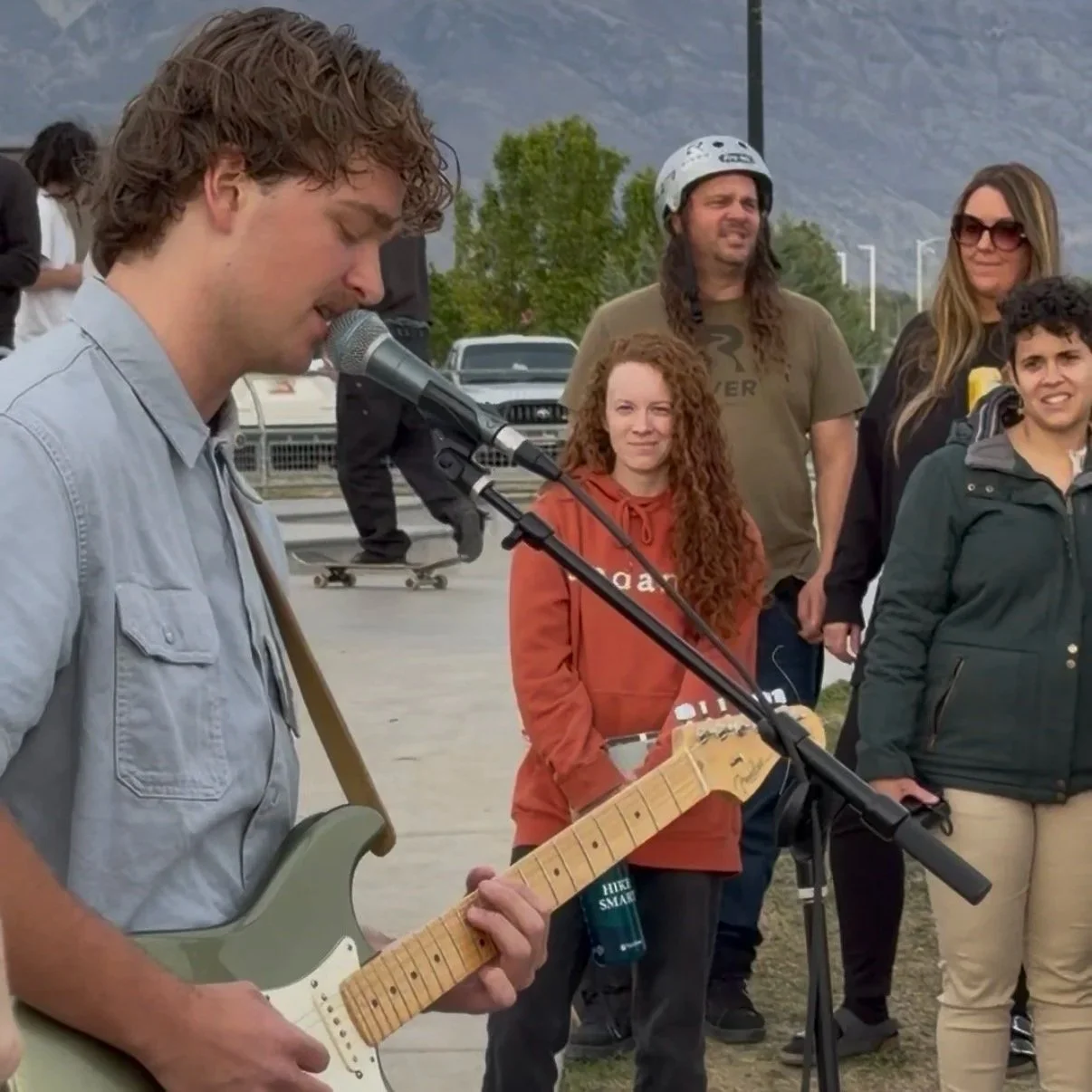
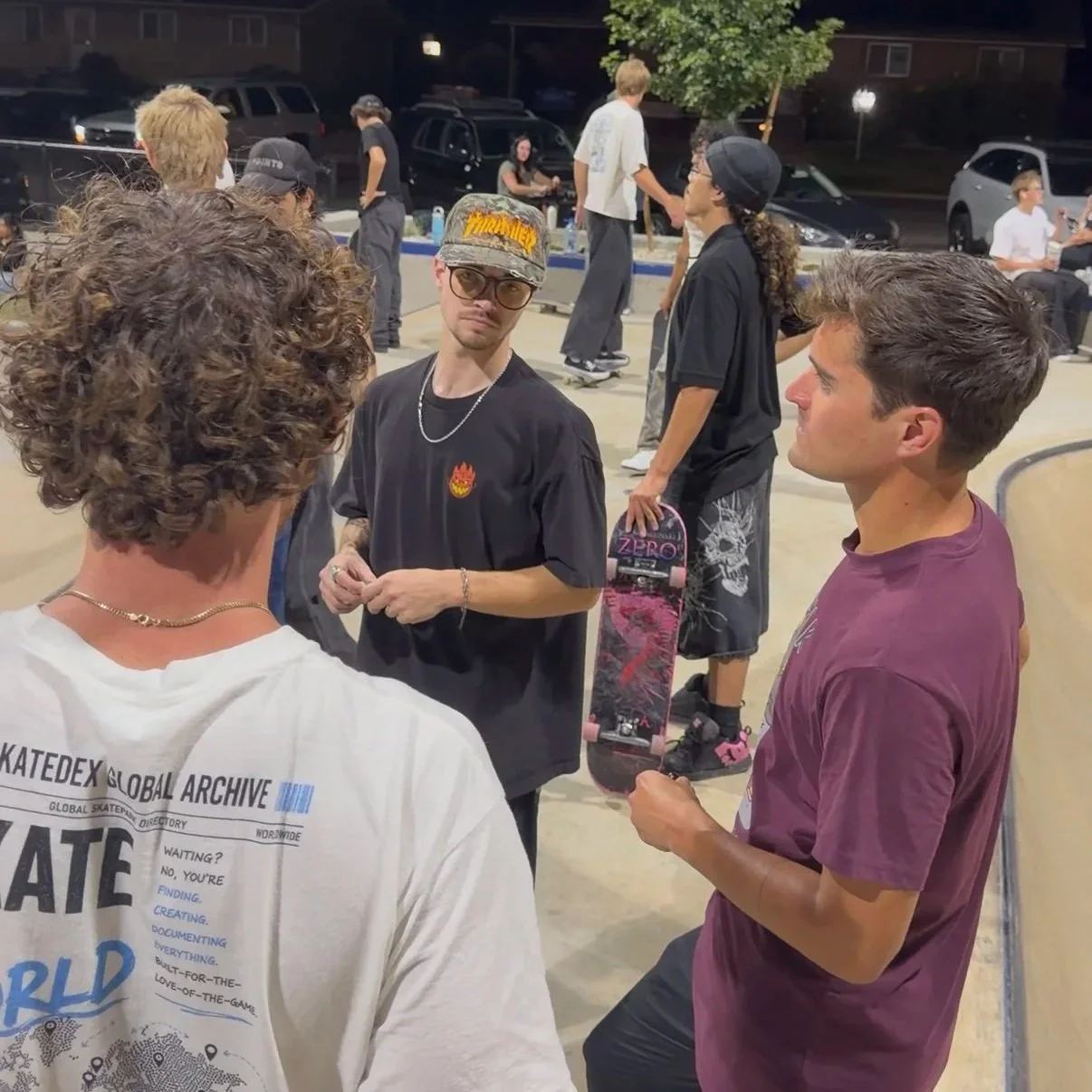
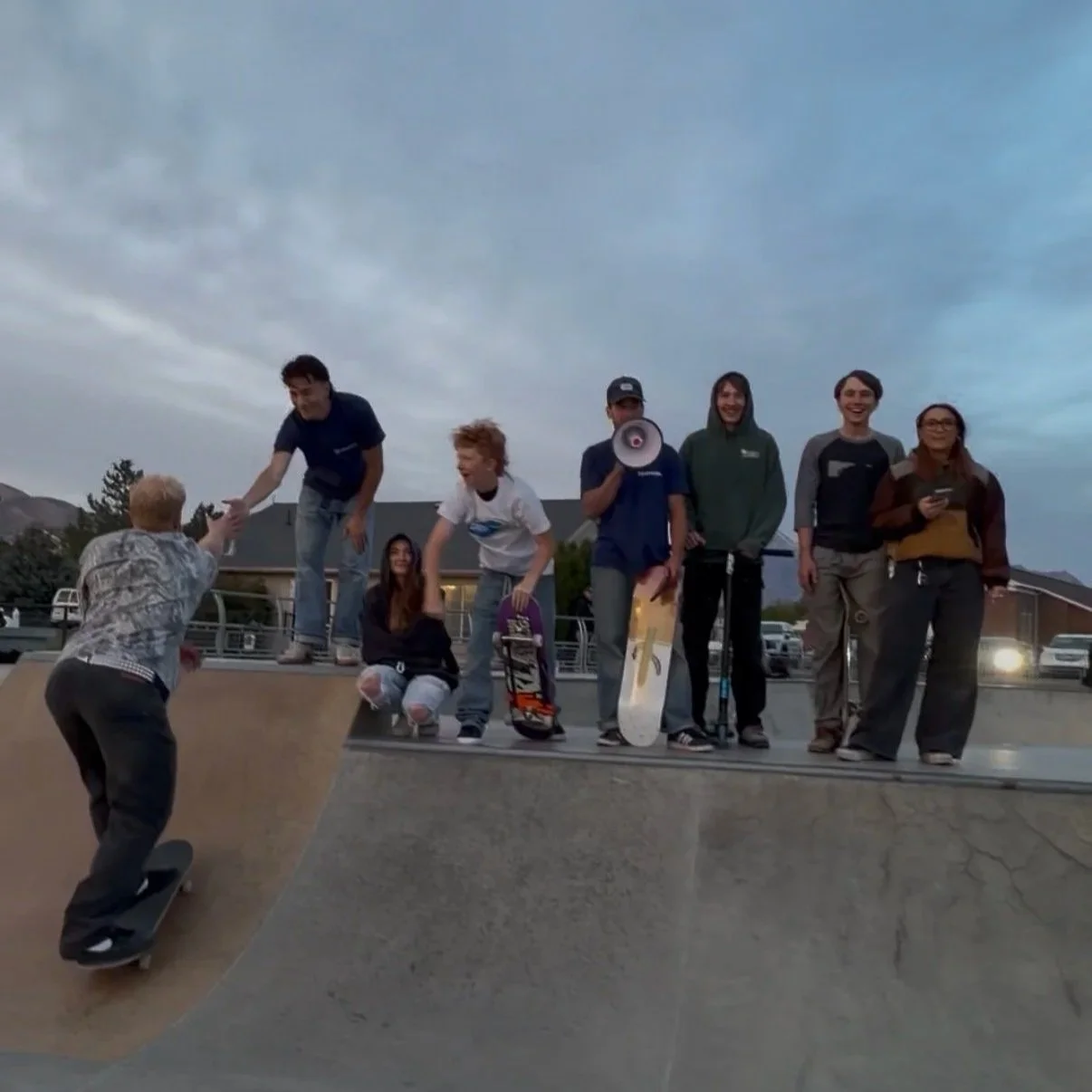
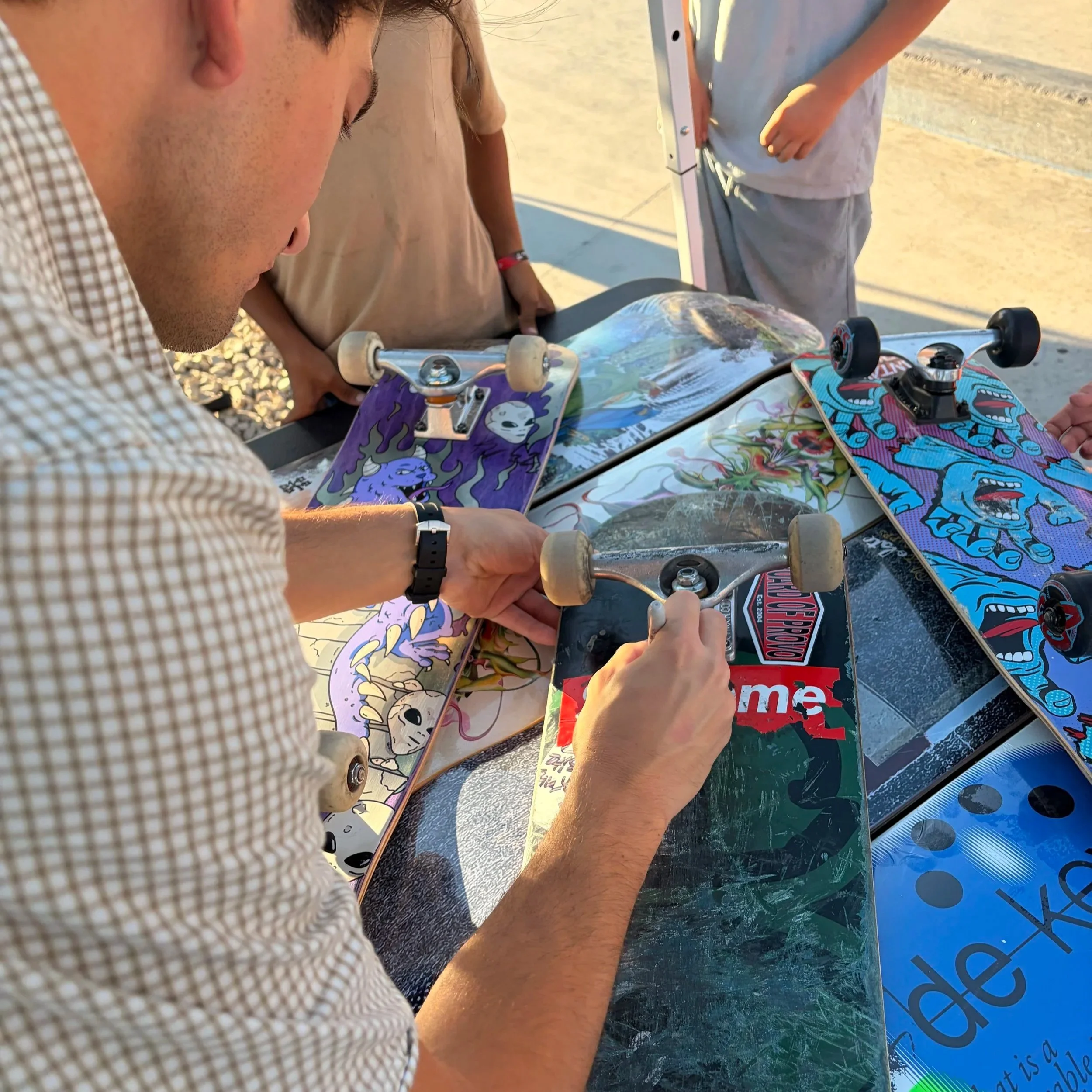
The first thing we noticed is how Skatedex has brought the community together. Through events and competitions for all ages, we've seen riders up their game in a matter of weeks: posting clips, rocking our merch and really living the Skatedex mission of accessibility and connection for riders at every level.
We've also gathered valuable info through reviews and photos. Lots of parks look amazing but have issues you'd never spot from a photo. One of our most dedicated users, @joereckless, posted at Firefly Skatepark in Eagle Mountain, Utah. It has a sick pump track on smooth concrete, but a sprinkler system goes off in the morning and makes the ground slippery. That can ruin your board, or worse, injure you and keep you off your board for weeks. Thanks to his review, our users know not to turn up at the wrong time, and can enjoy what's honestly one of our favourite parks.
You cover everything from huge purpose-built parks to small local spots. What makes a park worth documenting, and do smaller parks get overlooked?
We've found some of the world's most amazing skateparks, literally jumping out of our seats to visit them. We've also come across the saddest, most unused and wonky parks imaginable. We don't skip a single one. Whether it has a full pipe, an insane vert section and a street plaza, or it's literally two metal quarters with an unskateable down rail in between, we document it all. Everyone deserves a place to skate, and we'd hate for anyone to miss out.
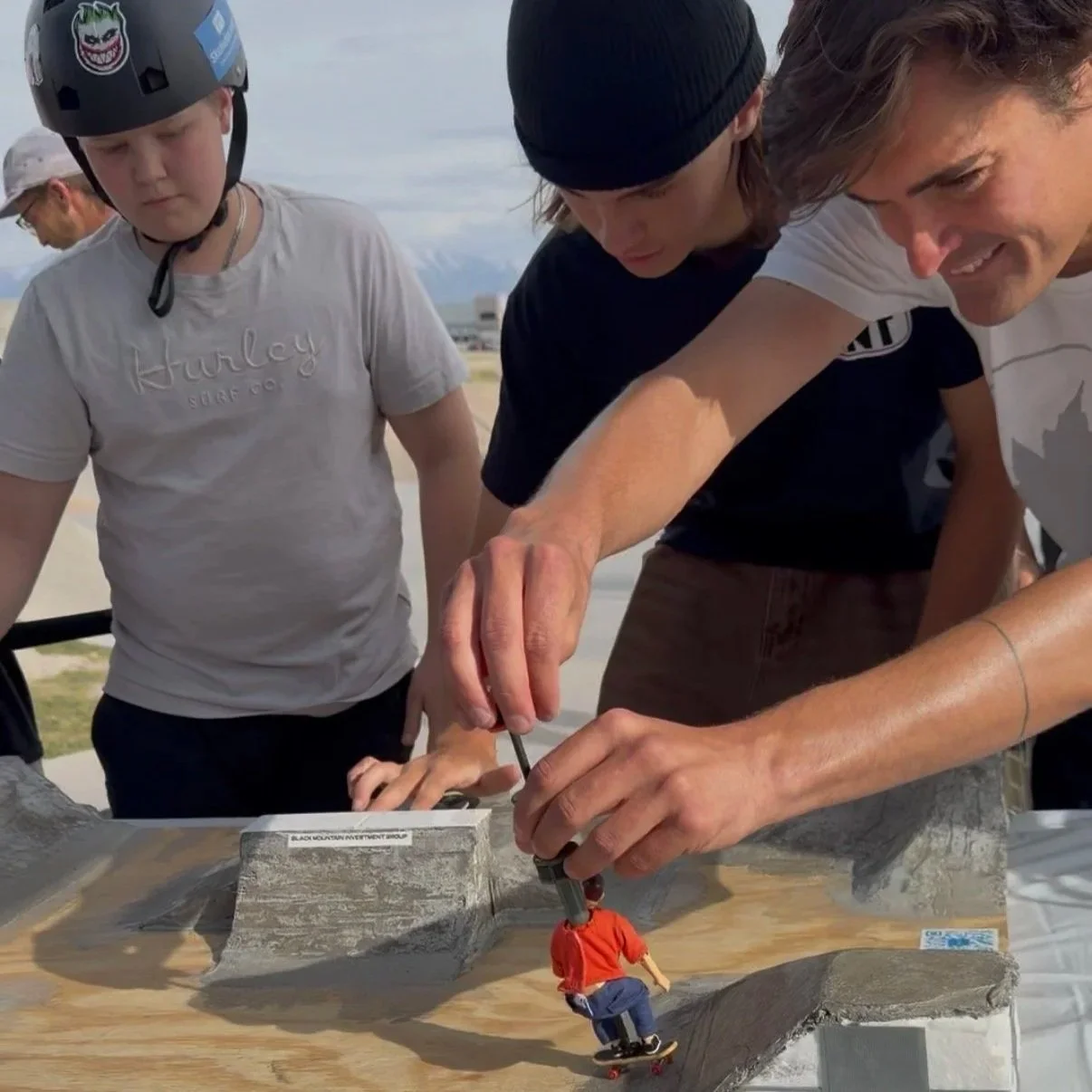
We're also looking forward to building our own parks with help from the best park builders around the world. With our online park builder, our dream is to host a contest and build someone's dream park in real life!
Skateboarding is increasingly global, but every place has its own scene. Where does Skatedex fit between local and global skateboarding?
Skatedex is built to bring both together. Locally, you can create a crew and plan sessions. Globally, you can add friends, invite riders from other countries to rep your crew, compete on our global leaderboard and DM riders around the world to plan your travels.
With Session Tracking, we also want to reach street skaters who don't hit parks as often. They can track sessions and post street spots, then plan lines that take them straight to their spots without burning energy searching the city. Longboarders and daredevils of all kinds can track their hill bombs and see their top speeds. Spots can be kept private, shared with friends or made public. Street spots appear on the map with photos, descriptions and obstacles, and you can filter by street spot if you don't ride parks.
If you could send every skater on one mission using Skatedex, what would you want them to discover?
We'd want them to discover a new skatepark in their area, maybe one they've been thinking about for a while that's always felt a bit too far away. We want riders to explore their city, meet new people, hit different obstacles and improve. Our mission is to give riders of every style and skill level a safe space to link up, share clips and explore skateparks around the world with ease.
Come join the Skatedex community and check out our 8,639 skateparks worldwide!
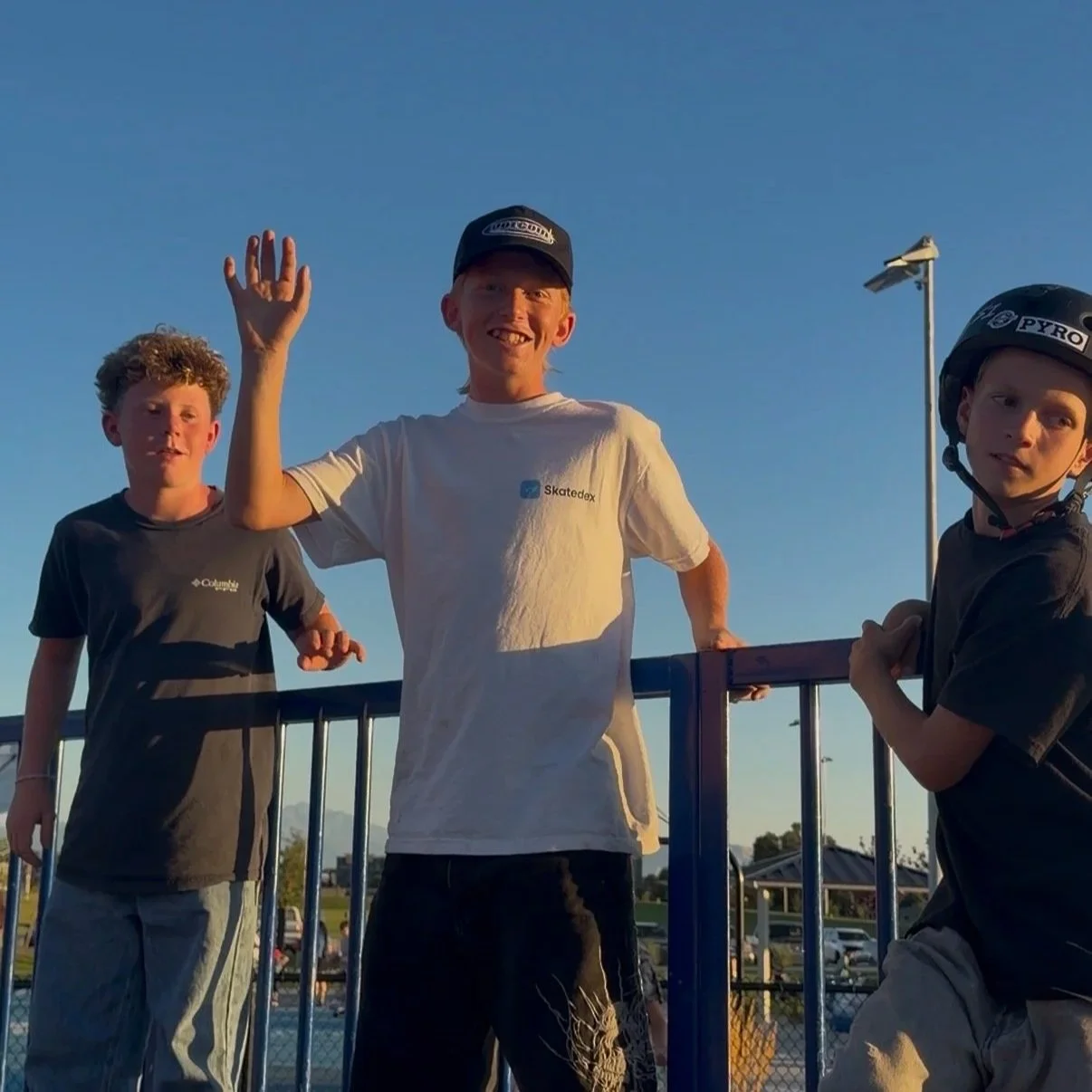
Find Skatedex on the App Store and Google Play, build your Skatefolio, and tag us in your next session.