Picking Up Skating in 2026
The GSM Guide to starting out!
Skate types and finding what's right for you
By Louisa
Skateboarding
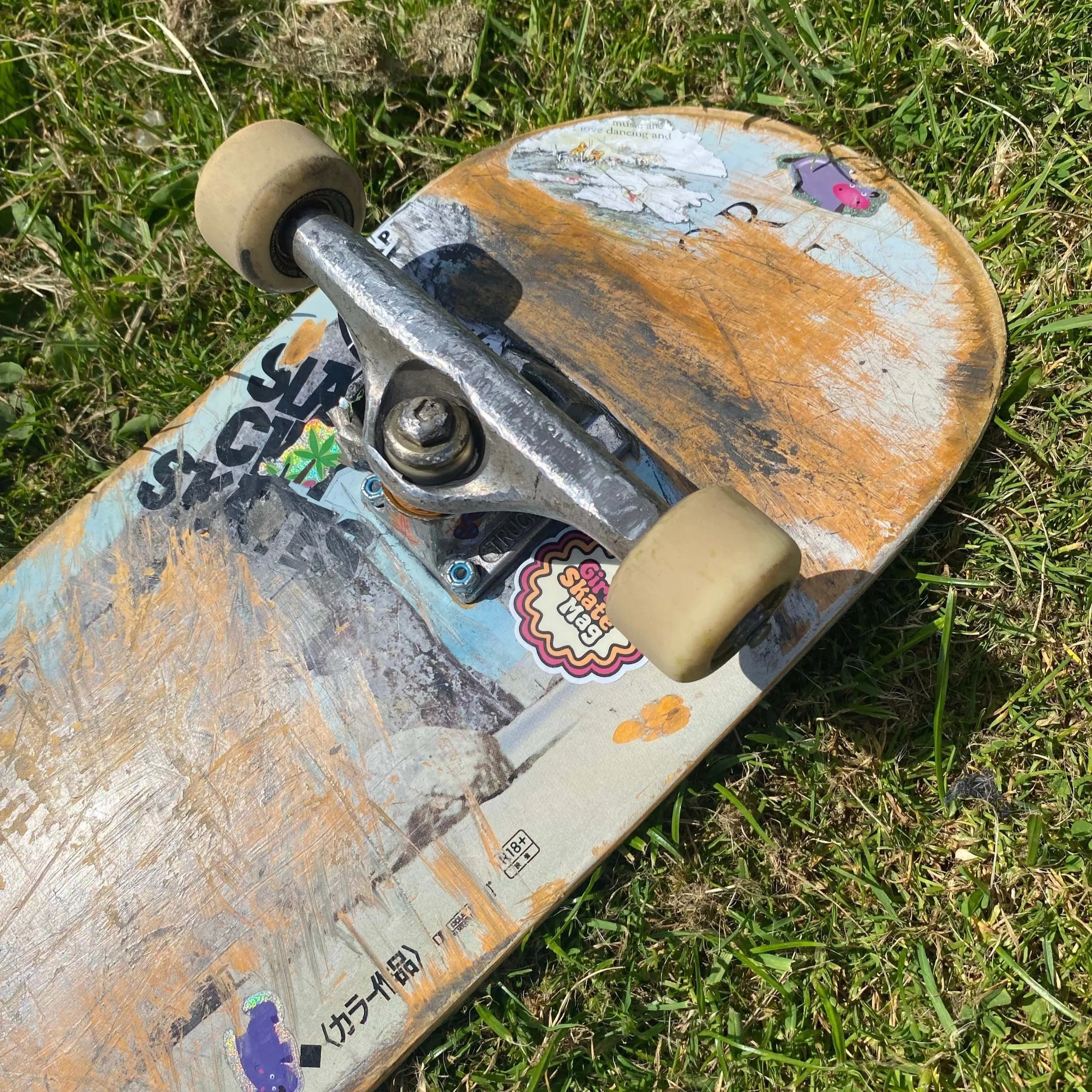
The most common of the skating types, Skateboarding is great for those looking to skate in parks or aspiring to trick in the streets. Starting out skating can be daunting but the secret to actually staying on your board lies in two main choices: deck width and wheel softness. While the classic 8”/7.75" is still a vibe, grabbing a slightly wider deck gives you a much bigger landing zone for your feet, making that initial struggle for balance way more manageable. You’ll also want to keep an eye on your wheels; most pro-level setups use a sturdy 99A wheel, designed for speed and park slides, but as a beginner, those can feel like riding on ice. Swapping them out for a softer 85A set provides the extra grip and shock absorption you need to feel glued to the pavement while you’re still finding your flow.
Longboarding
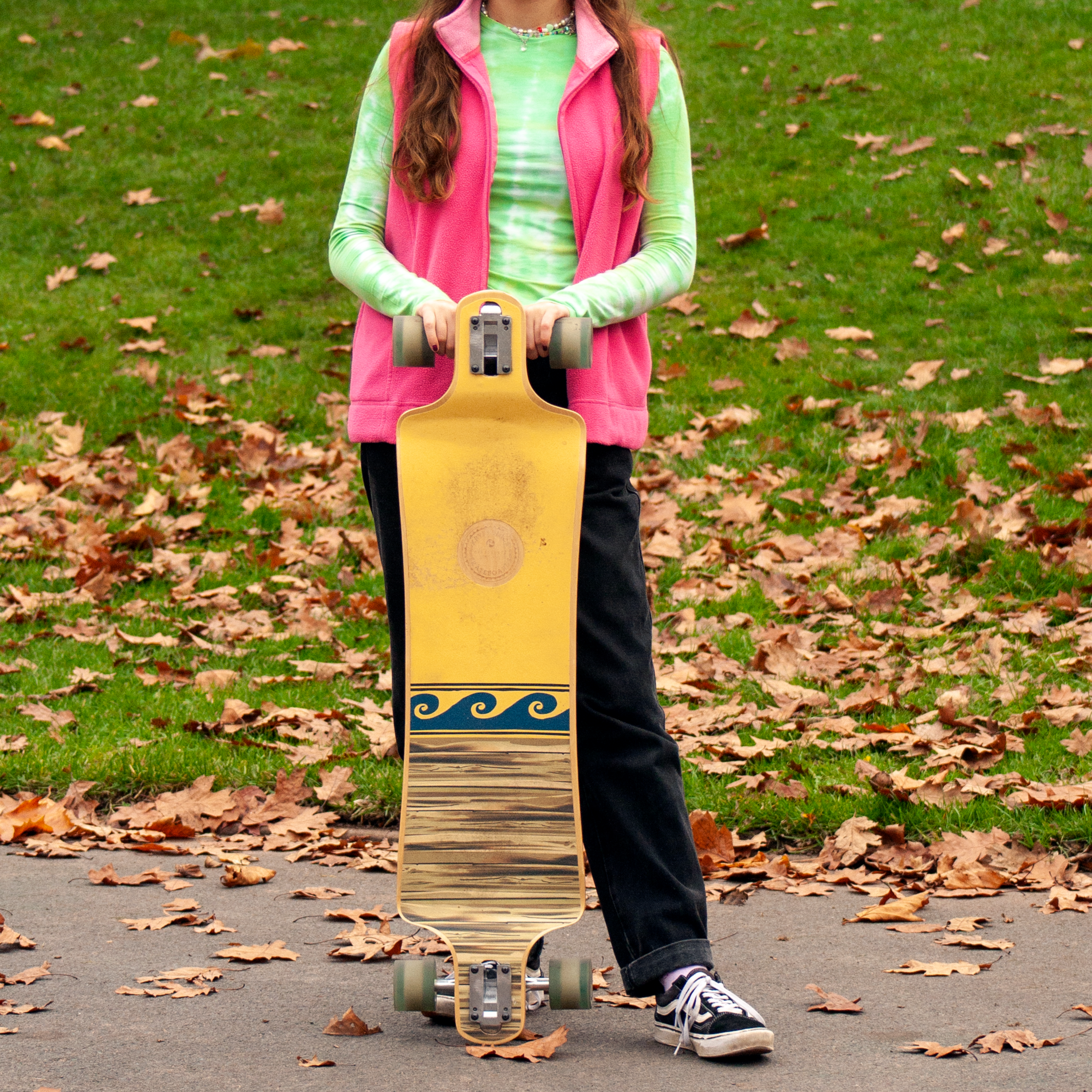
Longboards are for the more casual and fun loving skaters, but make no mistake these longboards can be just the ticket for those looking for the thrill of speed. Whether the goal is dancing or hill bombing, your longboard deck shape is key to your overall skate experience. The main thing with learning to longboard is that it is very similar to other alternative board sports such as surfing or snowboarding. Carving on a longboard feels super similar to riding the waves or the snow so if you’re coming from a background in these, this may be the most natural next step for you. Generally speaking, we say shortboards are better for beginners as their condensed size makes them easier to control and also can come with specialised surfskate trucks which are designed to mimic the feel of carving a wave. A drop deck or drop through boards are mounted this way to achieve a lower center of gravity and offer additional stability.
Carving on your board is also a great way to control your speed which is imperative when a beginner. Other than pushing your board along, you need to know how to foot stop otherwise it’s gonna be a lot of bail practice which is useful but maybe the safest way to stop.
Rollerskating
Rollerskating is great for trail skating, cruising and dance and rhythm skating. At entry level, it’s all about ensuring you have a solid first boot. You want something sturdy, a hard boot is best, just to keep you safe to begin with. Hard boots offer the most foot and ankle support whereas soft boots offer more range of movement which is ideal for jamming and dance skating. You want to strap your boots flush to your foot and around your ankles for maximum safety, and your toes should be able to snugly wiggle within the toe box while remaining secure. As long as the boots are well fitting you should be able to lace up tight without sacrificing comfort.
Hard wheels are often used indoors for dancing and speed, whereas soft wheels are used for harsher, uneven outdoor surfaces and for speed control. We recommend a 78A wheel hardness to begin with just because it’s the softest, easiest to control wheel. Boot size can be a nightmare to match and can vary from brand to brand. This is why if possible, we advise trying your boots on in person or consulting a sales assistant or brand expert, especially when looking for your Moxi Size!
Rollerblading
The decision of quads or blades is completely dependent on personal preference. Some find balancing on quads easier and some find blades are a more comfortable balance. Rollerblades are great for trail skating and speed skating, there’s no competition with the quads on who is the speed demon, that’s for sure. Choosing the right boot will make a difference to rigidity, like a hockey boot is a more sturdy up on the ankle but is generally a bulkier design. The industry standard is a Bauer skate boot. Wheels are often on the softer side but the most effective choice especially for street skating. The wheels you get are the main thing that will impact your skate, you can go for a harder wheel for more speed but generally this is more down to personal preference.
Common Misconceptions
We’ve heard it all: ‘It’s too hard!’ ‘ It's too dangerous’ ‘it’s really easy’ ‘it’s not a real sport’ ‘the skatepark has a judgy atmosphere’ and frankly we’re ready to put this fiendish gossip to REST. These comments completely overlook the athleticism and determination required through hours and hours of practice that culminate to make skating look so easy in the first place. One of the main reasons we founded this magazine was because of the common theme of ‘skating is for boys’ which you and I both know, dear reader, is clearly not the case. What we hear the most about skating is how it’s so dangerous and that it’s for burnouts and delinquent youths but we’re here to debunk these vicious rumours and let you know that skating is actually super accessible and is very much for EVERYONE. Old, young, new to boards and boots or familiar with the realm - it’s never too late to skate.
Safety First - Protection

The main priority of skating as a beginner is protection. Pads pads pads - wrist, knee, elbow, as many pads as you need to feel secure. Skating can feel super uneasy and scary at entry level but with pads make a whole load of difference to your confidence. Even the most experienced of skaters will tell you that knee pads can be make or break for skate confidence. We always recommend wearing a helmet, wrist guards and knee pads for the most security, although I usually say you can more or less go without elbow pads unless you really want them for a confidence boost but they’re the least used of the pads - that is until you do in fact hit your elbow and it kills and you then start wearing your elbow pads (universal skater experience).
Nerves - starting out alone
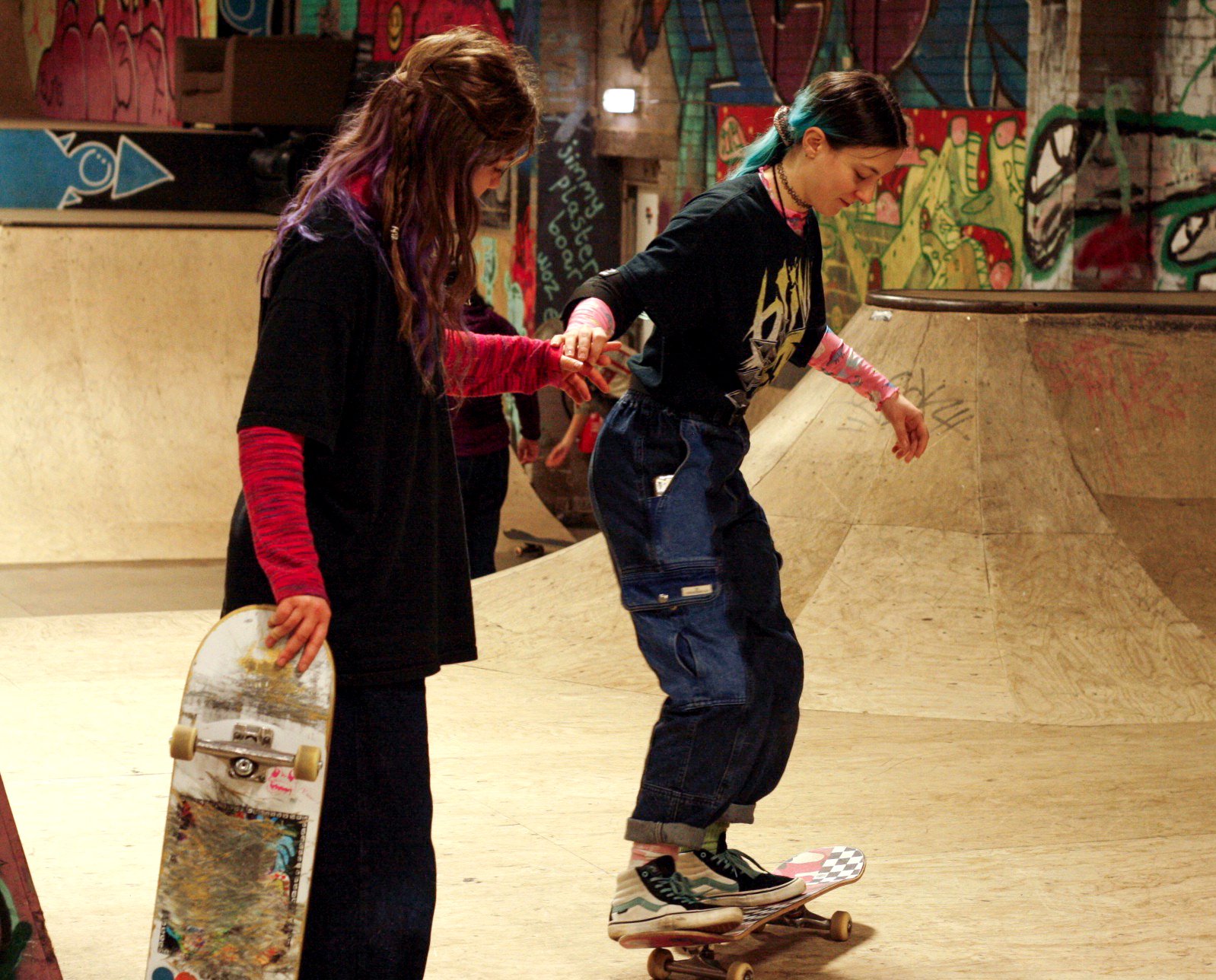
It’s often easiest to start skating alone but we cannot stress how much more helpful it is to have someone to start out with, maybe even someone who already skates. If you do have someone to practice with early on, it’s a perfect way to boost each other's morale early so as to not lose momentum. If not, it’s super common to get to grips with your board on your ones. Maybe start by standing on a tufted ground that will control movement, for example grass or carpet. This is perfect for just getting used to the feel of your skate stance. Once you feel more comfortable on your board it’s time to venture to a park or a street spot and get rolling!
Finding a Spot to Skate
If you are feeling nervous and embarrassed about being new to the game, that’s A-ok, finding a quiet skatepark, an empty car parking spot, even just a clear cul de sac - anywhere with a stretch of relatively smooth road to find your balance on your board. Once you’re at a more beginner than entry level stage (you can stand, skate forward, stop) then you may feel confident enough to try out at a park or a rink amongst other skaters. This is invaluable to progress, getting used to navigating other skaters as well as the moral support and tips you can garner from more seasoned skaters.
Handy tools
The most useful tool for any skater is a T tool. There are of course many variations of this, maybe a Y tool also, but they’re all more or less for the same thing - truck and wheel adjustment/changing. The most important tool you can have is by far your protection - primarily your helmet. Other equipment commonly found in a skate bag could also be a tripod or a phone stand, perfect for taking progress shots or showing your circle what you’ve locked in that day. There can be more specific equipment like lace puller for skates or glide gloves for longboards but generally these are for more advanced use.
Finding Support
The best place to find other skaters and support is where you skate - street spots, skate parks, roller rinks, wherever you frequent there will always be fellow skaters around to ask for expertise. Another great shout is of course the web - finding skate accounts on insta and tiktok can be great inspiration but also a source of support. Most skaters are more than happy to get into the minutia of skate spec with you in the comments.