Vida, Feminidad, & the Will to Skate!
Edited by Ana Vara
Written by Jacquelyn Lugo
Photos by Viktor Hernandez
What does it mean to be feminine?
Many of us have societally constructed answers to what it means to be a woman in the 21st century. For the majority of my life, I thought I knew what my answer was.
It's an age-old question with varying answers—frequently shaped by our families, culture, and faith. Long before we have even stepped out of diapers, still unable to question what it means to be a woman or buena mujer, we're met with a certain vision of femininity. Though it may come from those who love us most, it doesn't always fit.
I grew up in a hardworking and deeply religious immigrant family in my hometown of Laredo, Texas: a border city where Mexican and American culture, family, and tradition are deeply intertwined. From a young age, I was fascinated by skating, loud music, and anything that made me feel electric. My interests challenged my mother's understanding of womanhood. Her vision was traditional and valued modesty. She would always emphasize the importance of being composed and never speaking out of place. My mother didn't like vulgarity, didn't like swearing, and didn't like seeing women "act like men." The thought of her daughter spending hours at a skate park, coming home with bruised-up knees and scraped-up palms, seemed at odds with what she had spent her whole life working towards. Ultimately, I know now that she wanted to protect me by using the same values that had helped her navigate the world.
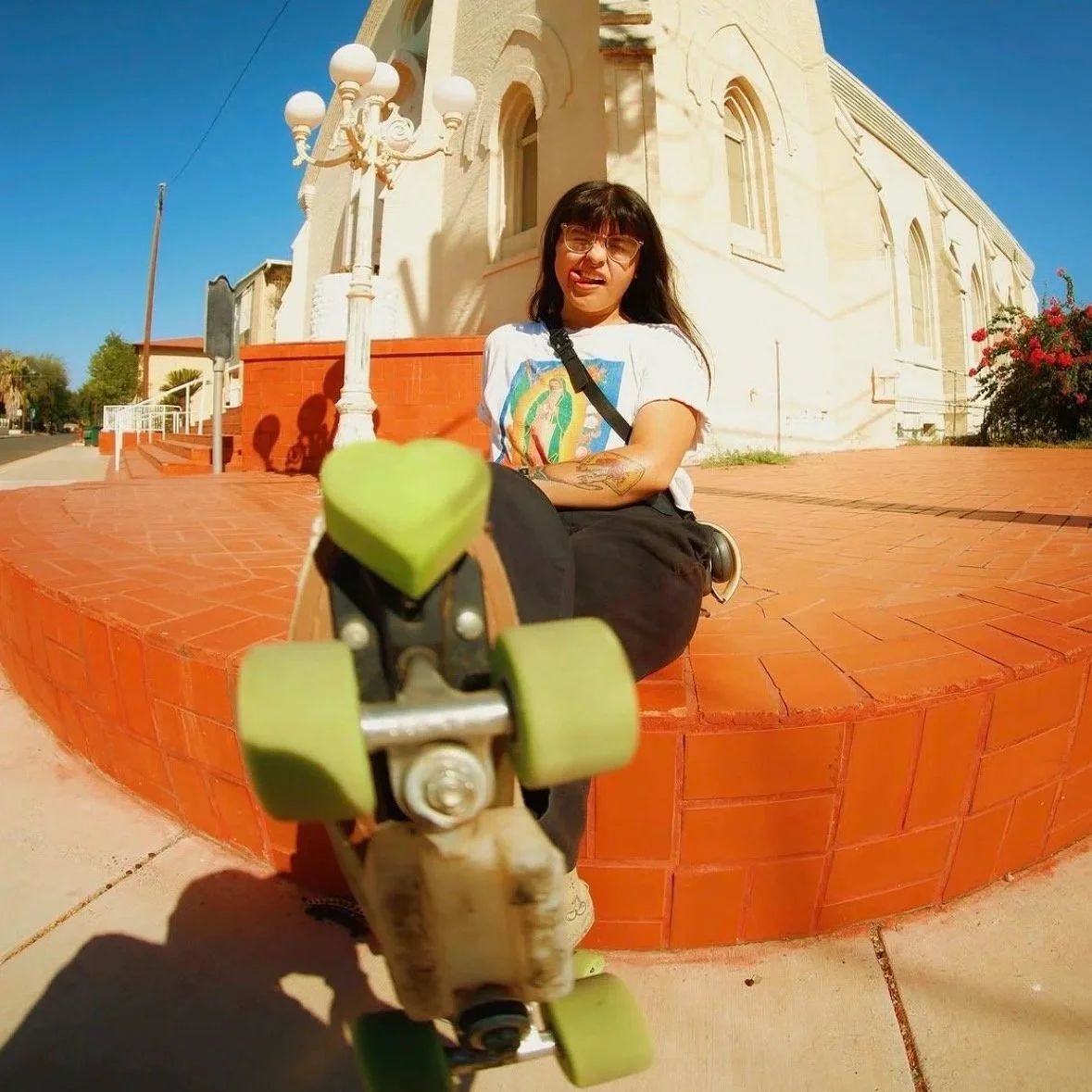
After about a year, I found myself wanting to meet more local skaters. That's when I discovered Laredo8Skate. For the first time, I had found a community of mothers, nurses, artists, and everyday chingonas who showed me that femininity could be fearless, adventurous, and authentic. They weren't waiting for permission to enjoy themselves or apologizing for taking up space. They simply existed as themselves, and in doing so, inspired me to do the same. They expanded my idea of what the future could look like. I realized that I didn't want to spend my life sitting quietly on the sidelines, watching the men skate.
Until then, I had never realized how much I needed to see women like them.
Laredo8Skate would naturally become less active as life took everyone in different directions. I reached out to the group's founder, Yayis, about bringing the meet-ups back, but she was in a different season of her life. Laredo8Skate would not come back. At least, not for some time.
Instead, Yayis encouraged me to create something of my own. It felt full circle. The community that had once welcomed me was now trusting me to carry that same spirit forward.
Around this time, I had just started skating a lot more with my friend Isa, who goes by the name "Brrruisee," and her cousin Aliyah, who goes by the name "cupquake36." We'd spend hours together at the park, skating. That's where ESTA really started. I'd ask them what they were doing, and without missing a beat, they'd point at their crotch and go, "Pues, esta." Or if one of us wanted the other to look at something, we'd just flip each other off and yell, "¡Mira esta!" It was stupid, but we'd laugh every single time.
I remember trying to think of different names, but nothing ever felt right. ESTA just kept coming back. The more I thought about it, the more I realized it already represented everything I loved about skating with my friends. It was a little crude and feminine.
I didn't want the name to feel exclusive. Esta has always been centered around creating a space for women skaters, queer skaters, and anyone who has ever felt out of place in skating. I wanted someone to come across what we were doing and think, "That looks fun. I want to be part of that."
The coolest part has been watching what it's become.
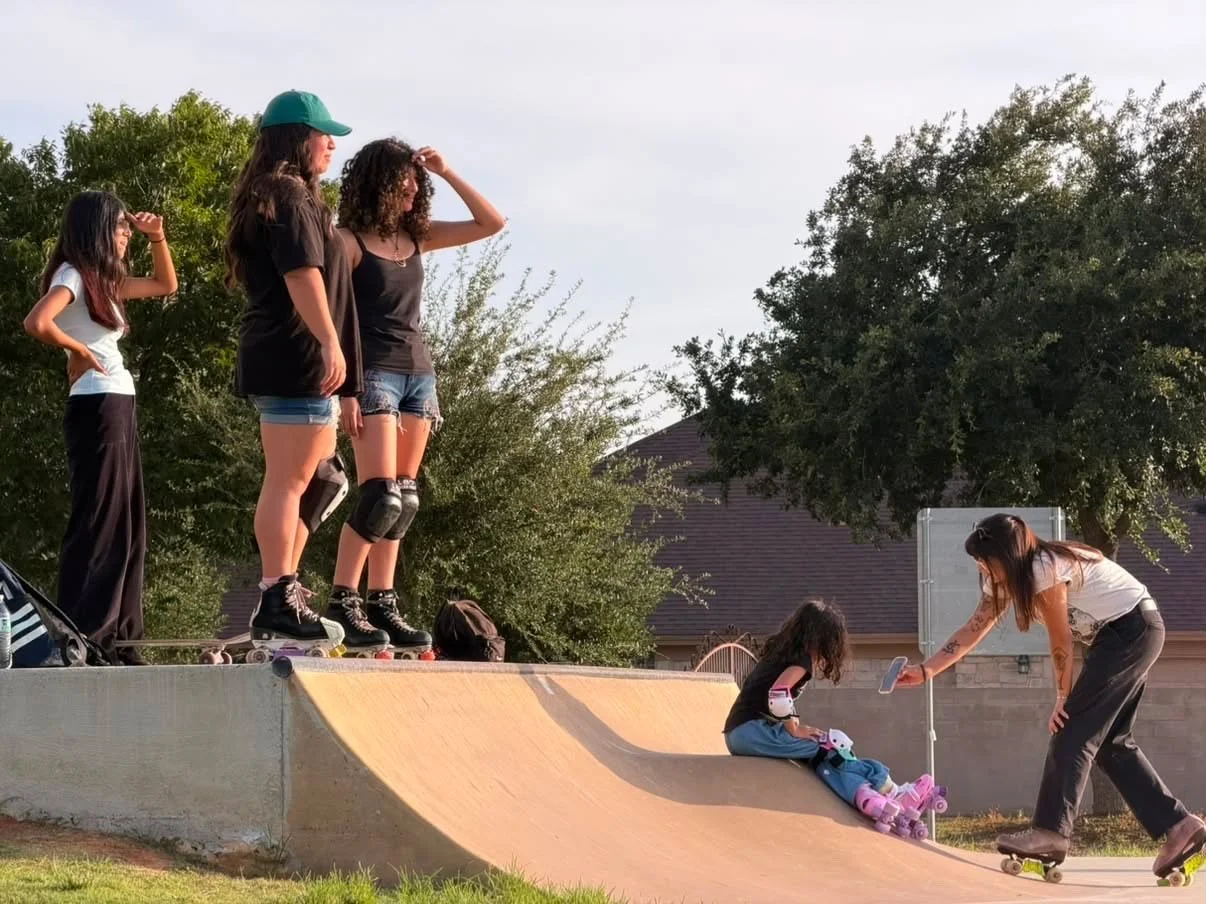
We've had people show up to our meet-ups who hadn't touched their skates in years. Some tell us they've been waiting for something like this to finally start skating again. Others are putting on skates for the very first time. Every meet-up feels like someone is rediscovering a part of themselves they forgot they had.
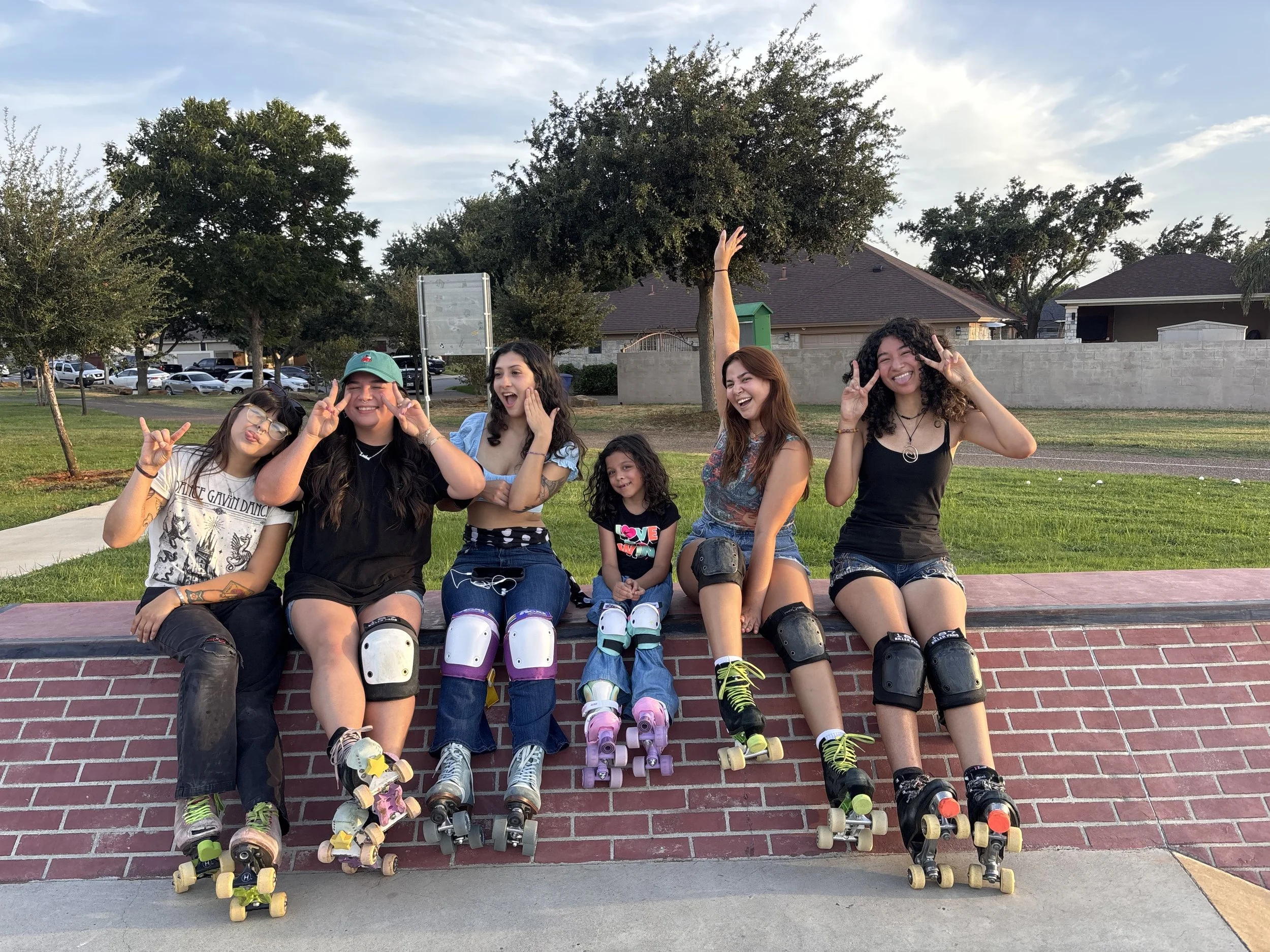
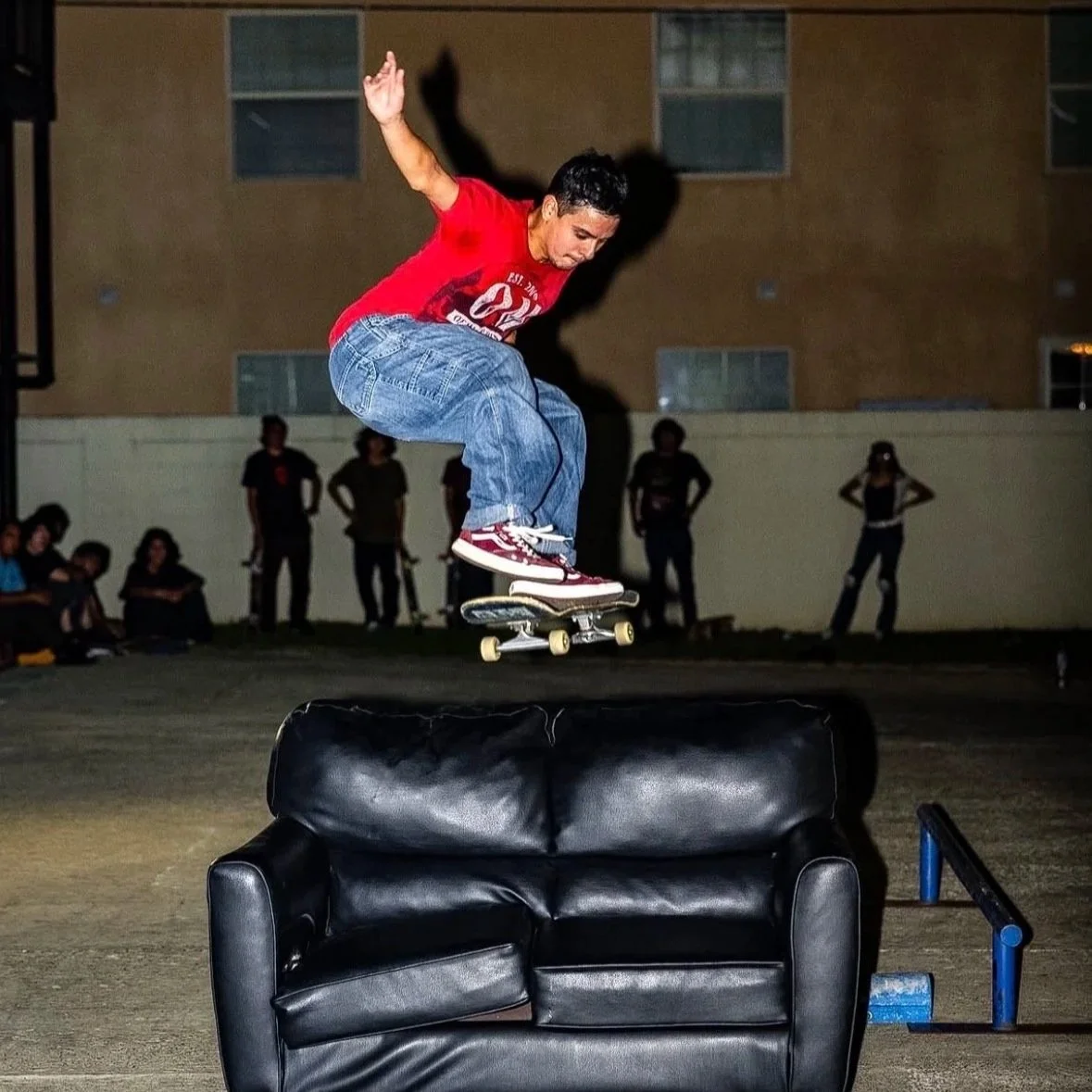
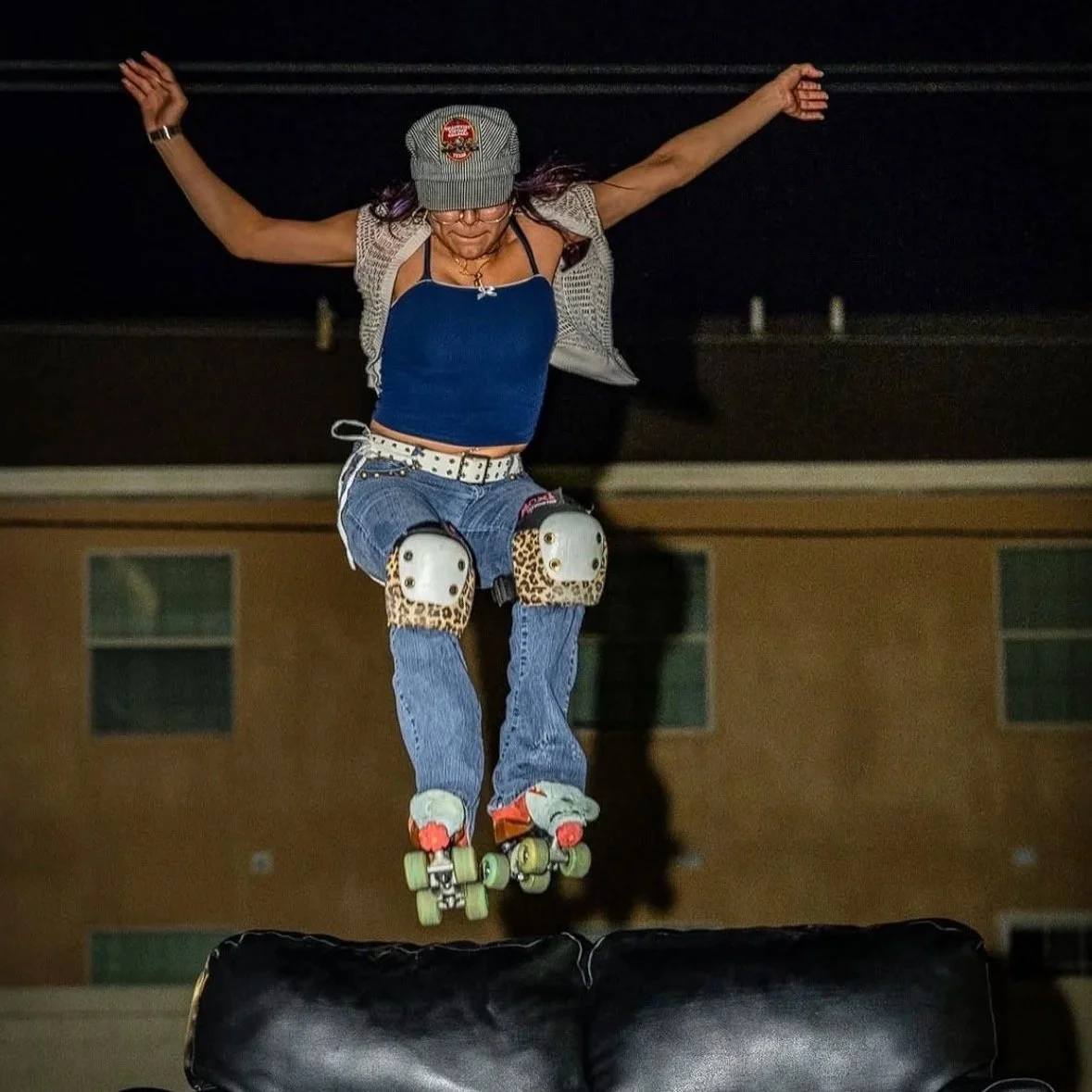
Since then, Esta Sk8 Club has grown into something much bigger than an inside joke. We've hosted clothing swaps, community rollouts, and even put together a DIY skatepark in a coffee shop parking lot for our first competition. Every event reminds me that community doesn't have to start with a perfect skatepark or a big budget. Sometimes, it starts with a few friends who make each other laugh and decide to build the space they wish already existed. Without a doubt, that's the beauty of Esta: it was never just about creating another skate club. It was about making sure the next generation of girls doesn't have to wonder if there's a place for them in skating. They already know there is.
When I look at what Esta is becoming, I don't just see a skate club. I see moms skating with their kids, women coming back to skating after years away, queer skaters finding community, and our tiny shredders growing up believing that they've always belonged here.
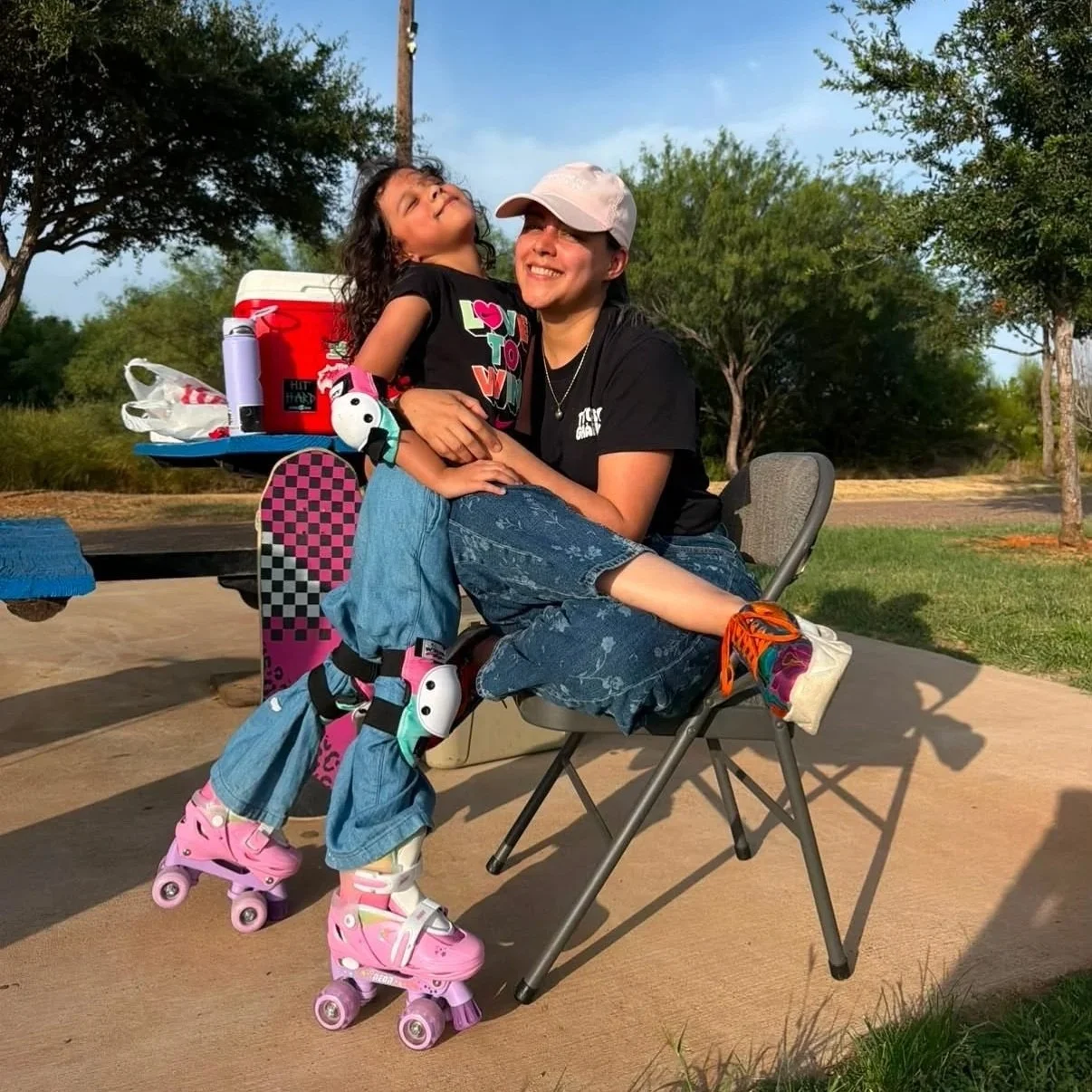
And that's what femininity means to me now.
I no longer wish to fit into the version of womanhood I grew up believing I had to become. I hope to create spaces where people, especially young girls, can discover who they are without having to ask for permission. Skating is feminine because femininity isn't one way of being. It's choosing your own life instead of the one that's expected of you. That's the kind of woman skating helped me become, and that's the kind of future I hope we're building every time we roll out together.