The pressure to perform “representation” as a non-western skater
By Tura
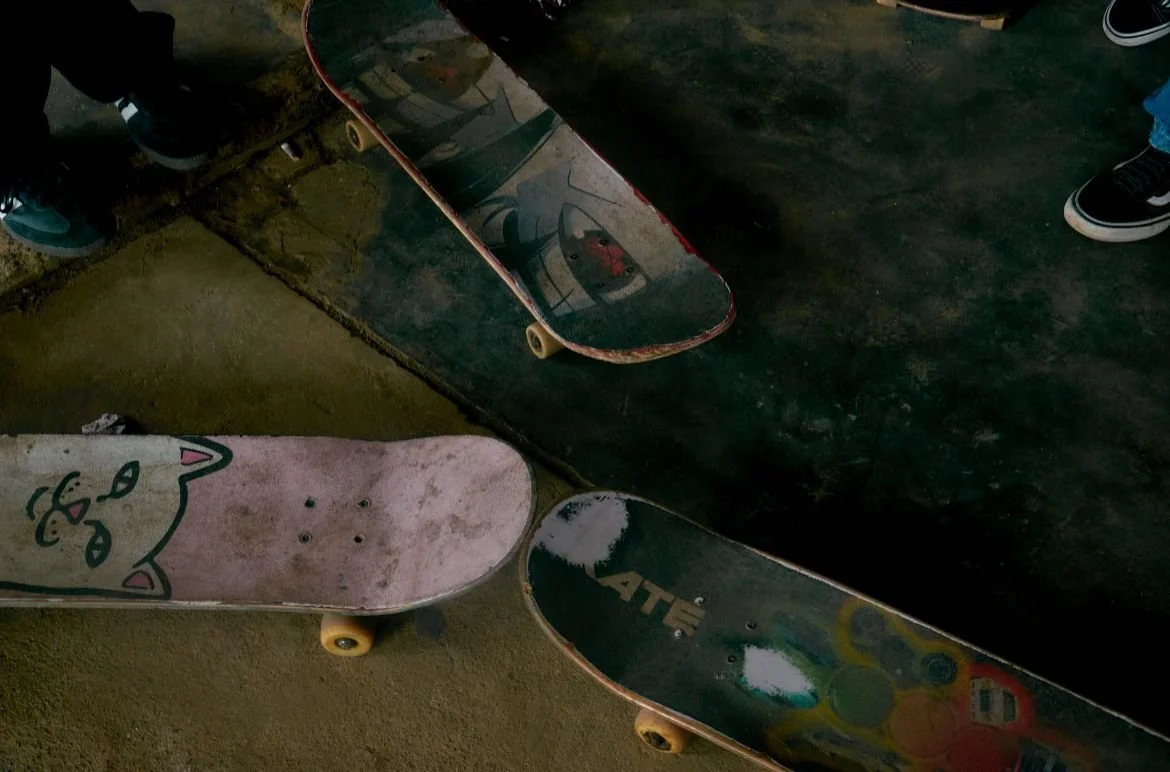
Photo credits: Daniella Almona
Visibility is often framed as opportunity but in rather, it often functions as obligation.
Non-Western skaters are rarely allowed to be ordinary, presence is immediately contextualized. Where they’re from is discussed before how they skate, Identity becomes the headline, skill becomes supporting material.
This creates a double bind, stay invisible and the scene claims absence, show up and you’re made responsible for meaning. You’re no longer skating, you’re “representing”. That expectation distorts risk. Every mistake is read as confirmation and every success is overinterpreted.
Representation becomes unpaid labor, you’re expected to explain conditions, justify differences, be legible, be grateful. None of this improves skating. It redirects energy away from experimentation and toward narrative control.
This pressure flattens individuality, instead of being one skater among many, you’re reduced to a category. Categories don’t progress, people do.
The cost isn’t just emotional, It’s creative. When skateboarding carries symbolic weight, play disappears. Without play, style hardens without growth.
Skating develops through freedom to be mediocre, repetitive, and unremarkable. Representation removes that freedom. It asks for meaning before mastery.